
Table of Contents
** Minutes
Why a fulfillment partner has supplement requirements at all
Supplements and ingredients that ShipBob can’t fulfill
Supplements that need a declaration or approval before you send inventory
What you need to know about lots and expiration dates
What changes when your supplements cross a border
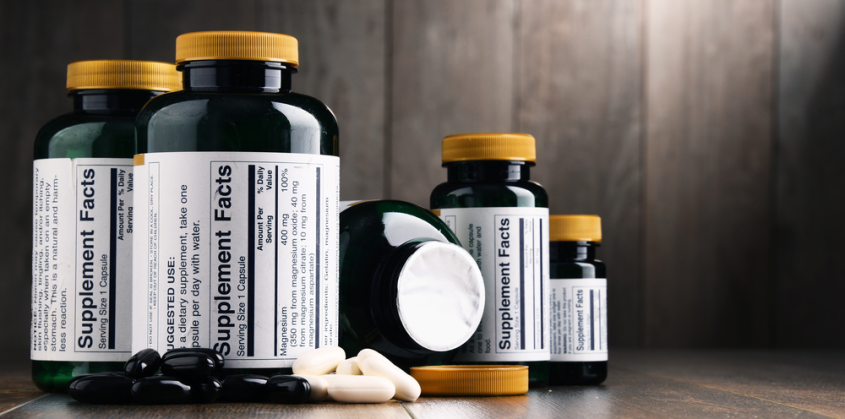
Storing supplements in a warehouse isn’t like storing hoodies or coffee mugs. Supplements are ingested; they carry expiration dates; they sit under federal regulation and share storage and pick paths with hundreds of other brands’ products.
That’s why supplement fulfillment requirements exist. Sorting out eligibility, declarations, and lot data before your first pallet ships then creates a smooth fulfillment onboarding experience.
But with most fulfillment partners, the brand owns compliance. FDA registration, cGMP manufacturing, accurate labeling, and honest claims all sit with you. A fulfillment partner like ShipBob sets requirements for what it will store and how it will handle it, but it doesn’t take on your regulatory responsibility.
This guide answers questions supplement and wellness brands should actually ask before signing any fulfillment agreement.
Why a fulfillment partner has supplement requirements at all
A fulfillment center stores your product next to hundreds of other brands’ goods. It picks that product under time pressure and ships it into channels with their own rules. Ingredient legality, allergen presence, and shelf life all have to be known before the center receives its first unit.
Read detailed intake questions as a good sign, not a hurdle. A partner that asks about your formula, your lot codes, and your expiration dating is running certified facilities and lot-level tracking. That’s what differentiates a partner from a traditional 3PL that takes whatever arrives on the dock.
Who’s responsible for what
The split of responsibility is simple:
- You’re accountable for what’s in the product and what the label says.
- The fulfillment partner is accountable for storing, rotating, and shipping it according to agreed handling rules.
ShipBob does not independently verify ingredient information and does not provide compliance services.
During onboarding, ShipBob assigns supplement inventory to select GMP- and GFSI-certified fulfillment centers, with temperature-controlled storage available at some facilities, with availability depending on your needs.
That assignment is based on what you disclose about the product, which is why disclosure comes first.
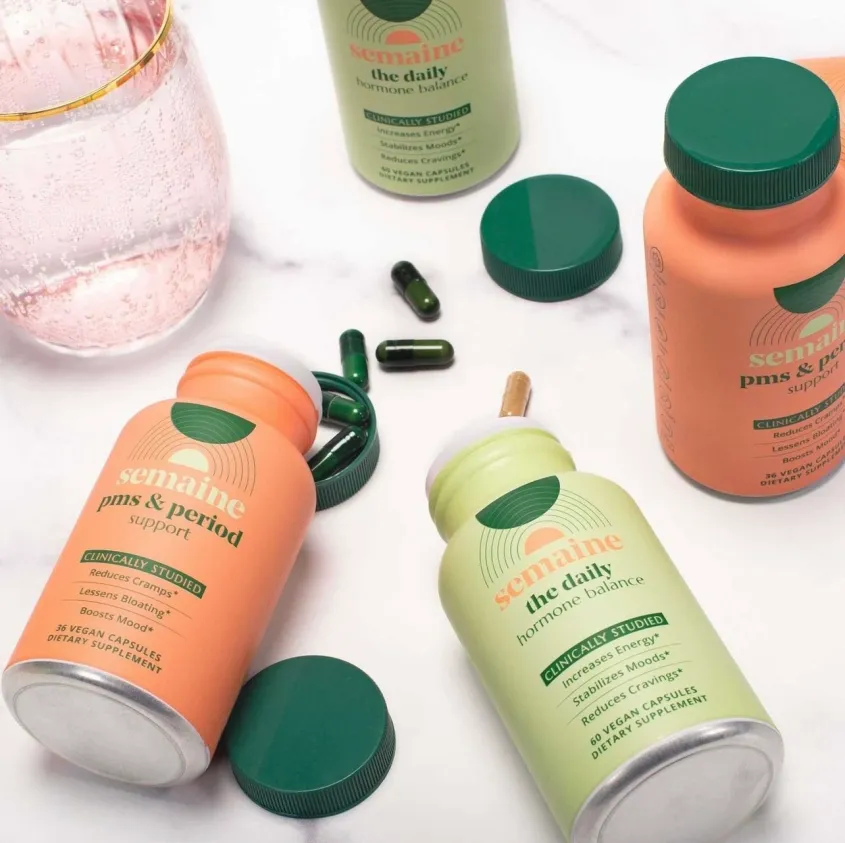
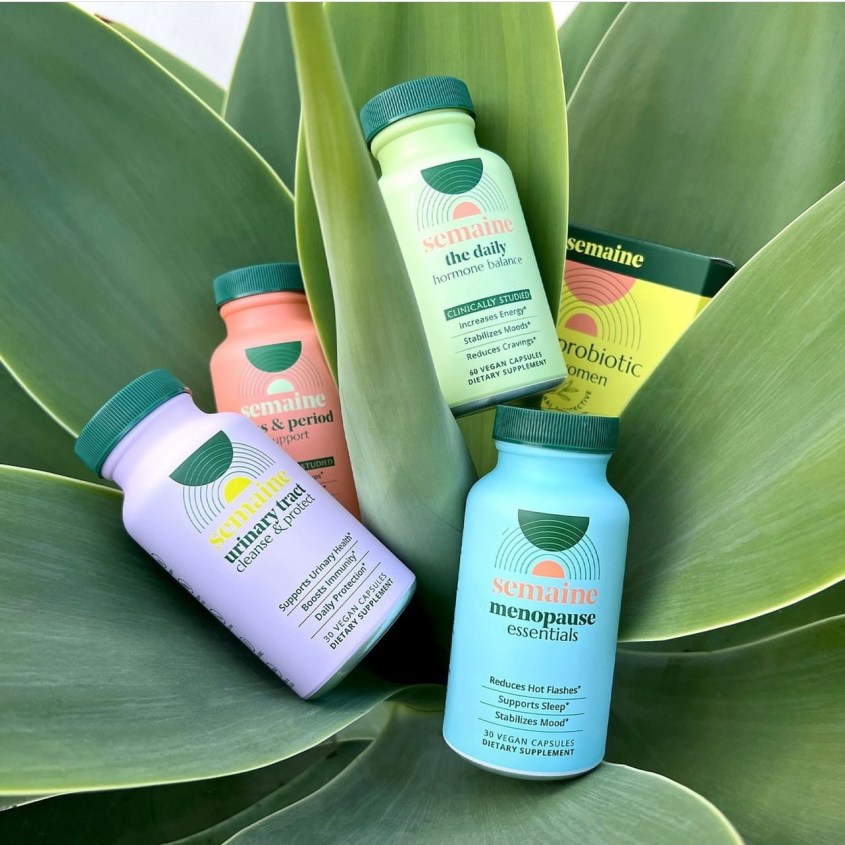
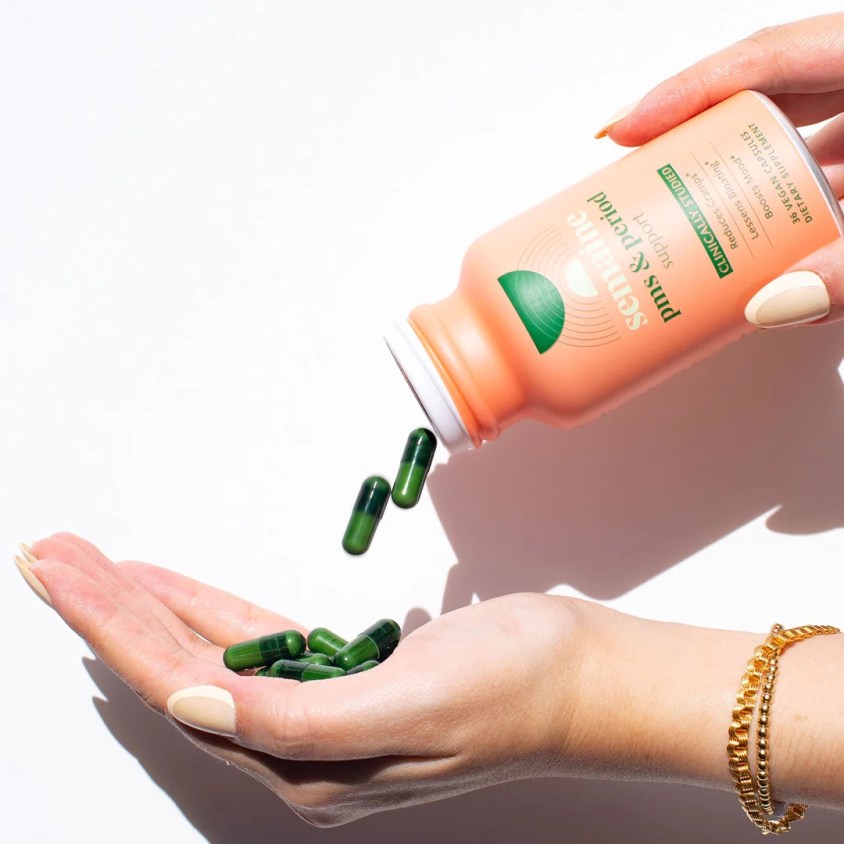
Semaine Health, for example, is a supplement brand whose fulfillment ran smoothly once product requirements were settled up front. The Inventory Placement Program (IPP) helped Semaine Health quadruple its order volume while reducing fulfillment costs by over $2 per order.
“We technically offer 2-day shipping to customers at checkout for a premium. But with the Inventory Placement Program’s strategic inventory distribution, most of our standard orders are delivered in two days anyway!
It’s been incredible watching our shipping times get shorter and shorter just using standard delivery, simply because we expanded to more fulfillment centers through ShipBob.”
Matt Crane, Co-Founder and Chief Science Officer at Semaine Health
For a fuller picture of what a partner can do once your product is eligible, the supplement fulfillment guide is the place for specifics.
Supplements and ingredients that ShipBob can’t fulfill
Some products are out regardless of volume or revenue. The categories below are where supplement and wellness brands most often get surprised.
ShipBob’s published list isn’t exhaustive, so check your full SKU list against the live policy before committing.
Restricted dietary ingredients
There are a handful of dietary ingredients that ShipBob doesn’t accept. A few examples from ShipBob’s policy include:
- Ephedra
- DMAA
- SARMs
- Kratom
- Tianeptine
- Concentrated or pure caffeine
The common thread is easy to see once you look. These are ingredients with FDA warnings and enforcement history, or documented safety concerns attached. The logic is about risk.
When looking at your product, audit at the ingredient level, not the SKU level. A restricted ingredient often hides in one flavor or limited edition rather than across a whole line, and a single-SKU check can miss it.
Compounded and non-FDA-approved peptides
Compounded and non-FDA-approved peptides are also not accepted. The examples brands ask about most are GLP-1s such as semaglutide and healing peptides such as BPC-157.
This trips up wellness brands expanding into peptide and longevity products. Many assume fulfillment works the same for a peptide as it does for a capsule or a protein powder, then discover the category is off the table entirely.
If peptides are involved, confirm eligibility before you commit to manufacturing runs.
Sprays, oils, and tinctures that fall under dangerous goods rules
Wellness catalogs are full of liquids and pressurized formats, and dangerous goods rules apply to them.
With ShipBob, aerosols and flammable liquids are conditionally accepted and require a Safety Data Sheet (SDS), but some HAZMAT classes aren’t accepted at all.
Here are some examples:
- Magnesium and other body sprays in aerosol format
- Essential oil blends
- Alcohol-based tinctures and extracts
- Topical products with flammable carriers
Pull SDS documentation from your manufacturer before onboarding conversations start, since classification is a common cause of receiving delays. Having the paperwork ready keeps it from becoming the thing that holds up your first shipment.
Supplements that need a declaration or approval before you send inventory
Most supplements sit in a conditional approval bucket. They’re eligible, but only once you’ve disclosed specific information about the product.
The four items below are what ShipBob asks for before inventory is accepted, and each protects both your product and the operation handling it.
1. Allergen declarations
ShipBob’s allergen declaration requirements cover what a brand has to disclose about allergens in its formulas. A fulfillment center needs this because shared storage and pick paths mean allergen presence affects how and where product is handled.
Declarations are the merchant’s responsibility, and ShipBob does not independently verify ingredient information, as such, the declaration is your statement of fact, not something the warehouse validates on your behalf.
Assemble declarations per SKU from your manufacturer’s documentation before you submit products. Then re-declare whenever a formula changes or you switch co-manufacturers, since either can introduce an allergen that wasn’t in the original disclosure.
2. A minimum of 12 months of remaining shelf life
This requirement is fairly simple: inventory arriving with under 12 months of shelf life remaining isn’t accepted because short-dated stock on the dock creates problems before it ever sells.
Units need enough runway to sell through DTC, marketplace, and retail channels without becoming short-dated in the warehouse, where they’d get written off or rejected by a retailer.
To manage this requirement, build receiving timelines into your manufacturing schedule so a freight delay doesn’t push a lot below the threshold between production and arrival.
3. Formulas that need temperature control
Temperature-controlled storage is available at some ShipBob facilities, but products that require temperature control for safety are not accepted.
The practical test is a single question for your manufacturer: does the formula degrade or become unsafe outside a temperature range, or does it just perform a bit better when kept cool? Get that answer in writing, because the two cases lead to very different outcomes.
Probiotics, live-culture products, and certain liquid formulas are where this question comes up most. If a product’s safety depends on staying cold, it needs a different solution than distributed ecommerce fulfillment.
4. OTC products and delivery conditions
Certain OTC products require proof of authorized reseller status before they can be fulfilled.
HIGHLIGHT: If you sell OTC items, have that documentation ready to share during onboarding.
Brands also need to specify delivery requirements up front, for example, verified delivery to someone over 18.
Flag any age-gating or signature requirements during onboarding rather than after orders start flowing, since retrofitting delivery rules mid-stream is messy and slow.
What you need to know about lots and expiration dates
Lot and expiration data is the operational backbone of supplement fulfillment. It determines what ships first, what comes back into inventory, and how fast you can isolate a batch.
Lot and batch data at receiving
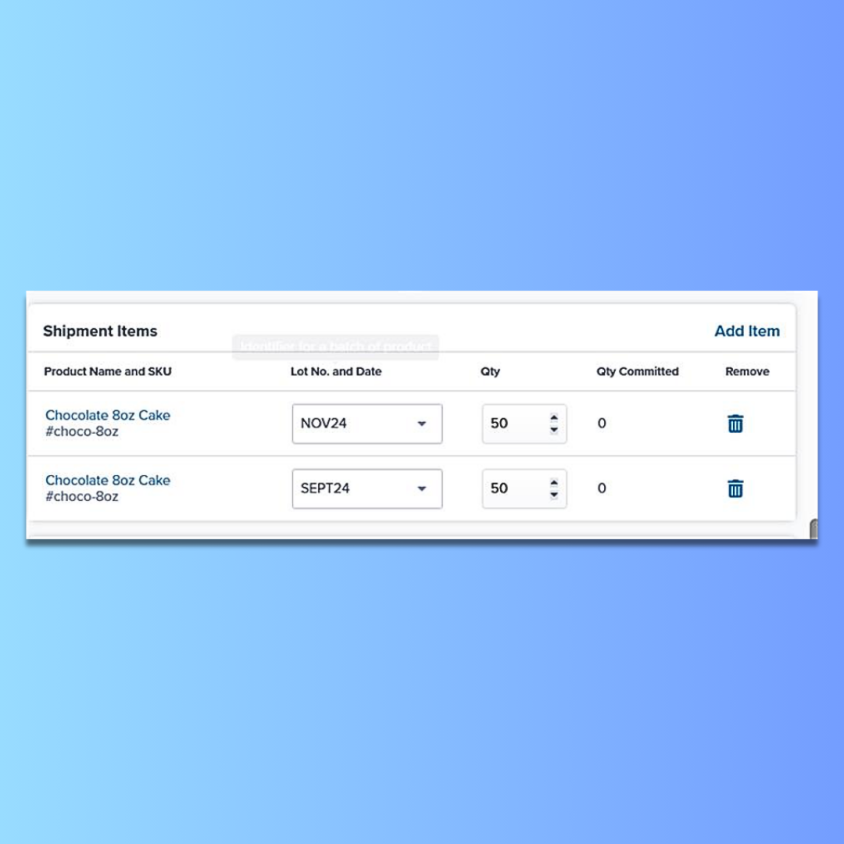
Inbound shipments and documentation need to carry the right information so receiving can capture dating per lot rather than per SKU.
Grouping units this way is what lets a facility record two production runs of the same product as two distinct, trackable lots.
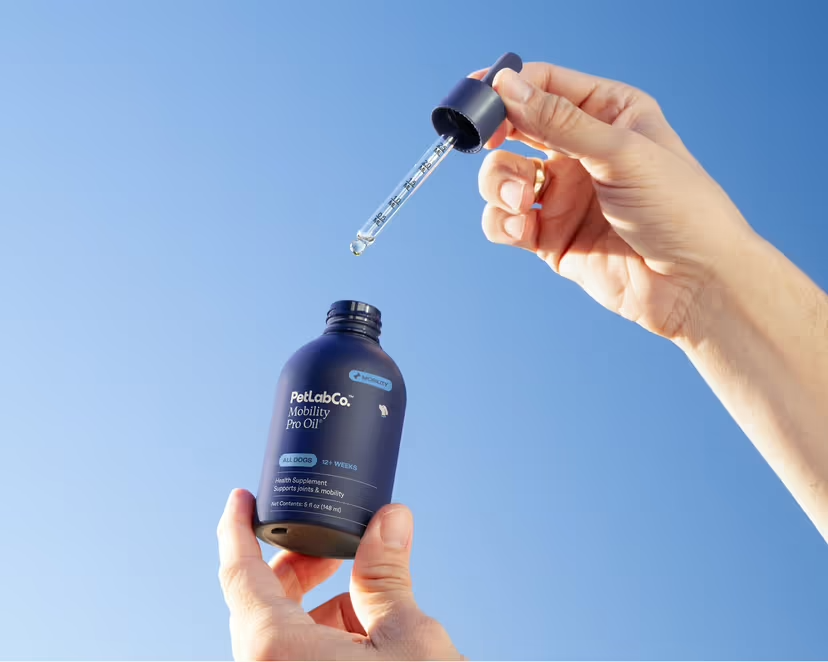
PetLab Co. is a strong example of “lot discipline” done well. The brand works with batch codes and expiration dates on ingested products, and keeps its product batches deliberately small for quality control, because the products are consumed.
“We’re very careful about maintaining the highest quality possible because our products are ingested by our pets. Lot management through ShipBob helps us maintain organization and inventory accuracy.
With ShipBob’s lot product return to sender feature, we can quickly know which products can be sent back out so we always have enough inventory.”
Stephanie Lee, Co-CEO at PetLab Co.


The common issue here is a brand that tracks lots neatly in a spreadsheet at the manufacturer but never carries that data onto the pallet. When the data doesn’t travel with the physical goods, fulfillment centers can’t reconstruct it, and traceability breaks when you need it.
FEFO rotation and why it beats FIFO for supplements
First-expired, first-out is ShipBob’s default logic for lot-controlled inventory. Units with the nearest expiration date ship first, regardless of when they were received.
That’s different from first-in, first-out, which is important for supplements. Receipt order and expiration order diverge all the time thanks to factors like overlapping production runs and split shipments. Shipping by arrival date alone can push newer stock out ahead of older stock that’s closer to expiring.
This approach makes sure you have fewer expired units written off, and fewer short-dated units bounced back by retailers or marketplaces.
Returns that shouldn’t go back on the shelf
Returned supplements need rules, because a short-dated unit that re-enters inventory can ship to a new customer or a retail PO. You set return-to-sender preferences per SKU, choosing to restock, quarantine, or dispose.
You can also set a minimum shelf life on a lot product. When a returned unit’s expiration date falls inside that window, we process it with your defined backup action instead of restocking it.
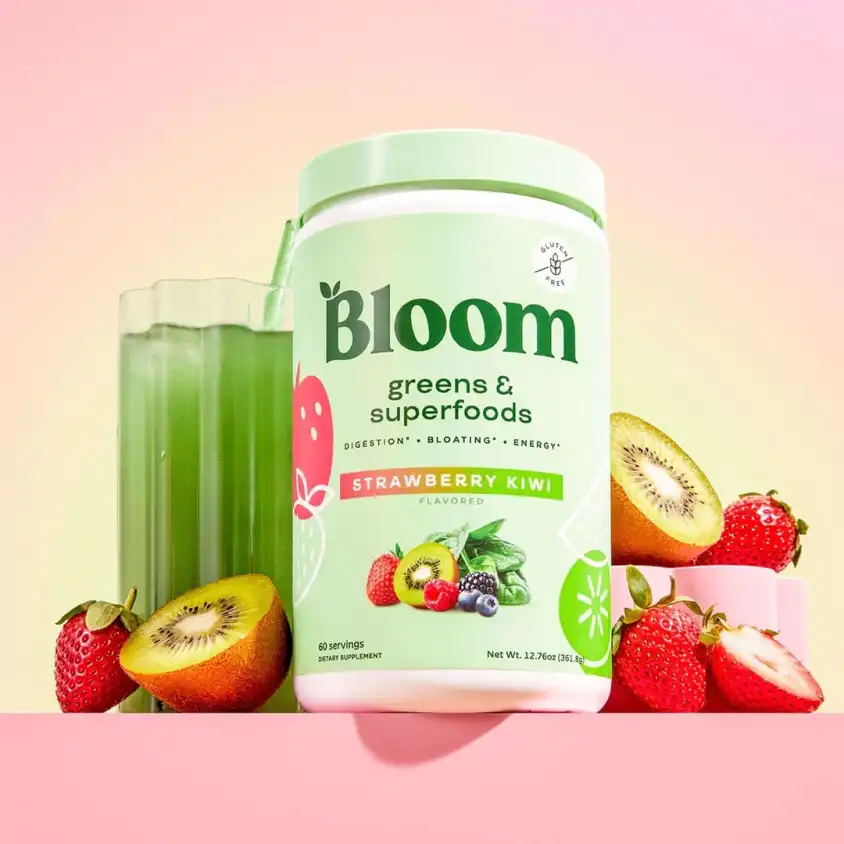
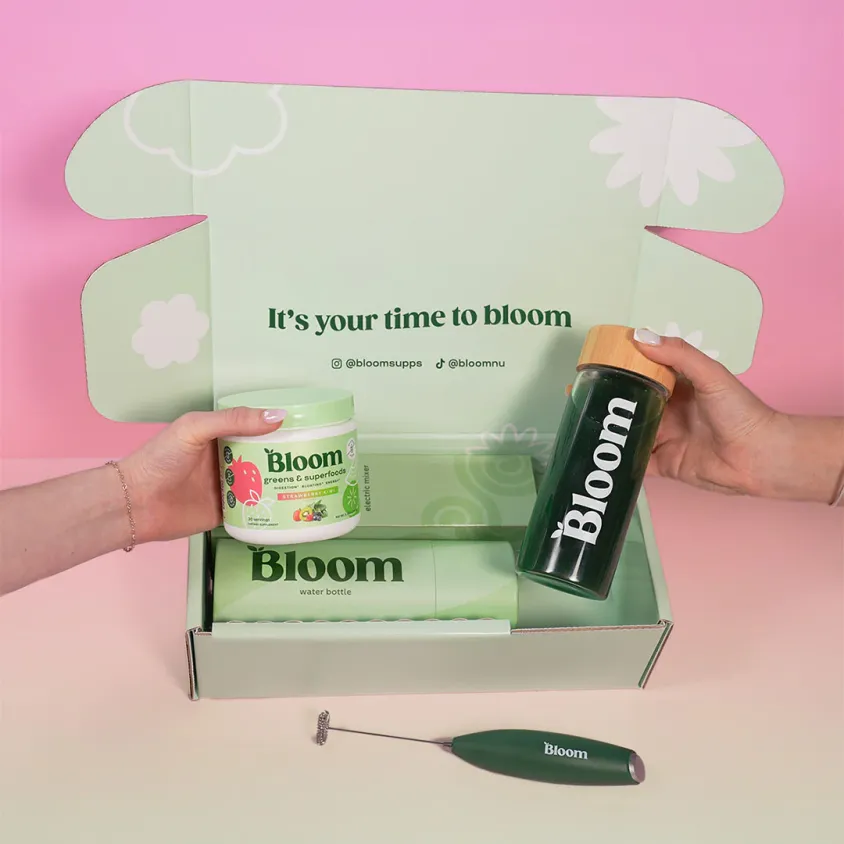
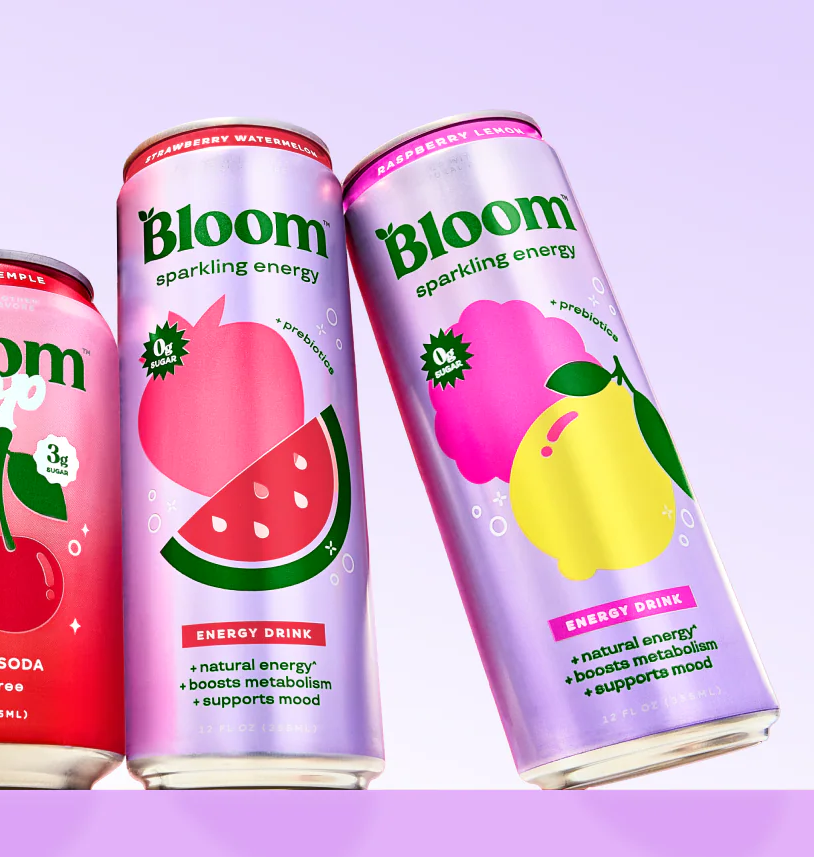
Bloom Nutrition uses this logic at scale. The nine-figure brand marks products as lot items, lists lot numbers and expiration dates on each receiving order, and lets us store and rotate each lot separately.
“Through the ShipBob dashboard, we can set up our preferences for each SKU that indicate exactly how we want ShipBob to handle a return – whether we want the item quarantined or disposed of – and ShipBob will automatically follow those rules so we don’t have to manage every customer-initiated return ourselves.
If a lot product is RTS, we can have it restocked. In that scenario, ShipBob’s team inspects each product to ensure it’s unopened and undamaged, and reviews the lot number and expiration date to check it matches the information we have in our dashboard.
They even upload a photo of the returned item’s lot information, so we can always double-check and confirm that everything’s correct.”
Neil Blewitt, SVP of Operations at Bloom Nutrition
Recall readiness and whose job it is
Recall-ready inventory isolation means affected lots can be identified and quarantined across the network so they stop shipping. That visibility is the tooling that lets a brand act fast (but it’s not a specific recall service).
You decide and manage the recall. Lot-level visibility is just what makes your response quick and precise instead of slow and broad.
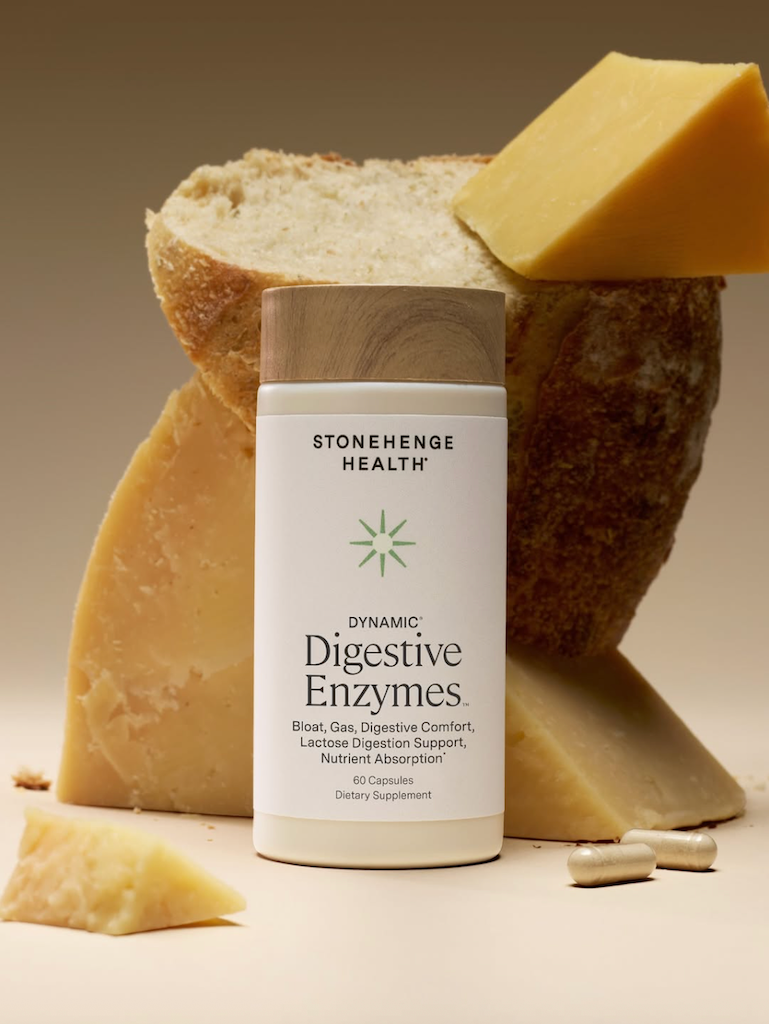
Stonehenge Health previously worked with 3PL that had no lot tracking at all. After switching, the brand is able to open the dashboard, pull up an order, and see exactly which products a customer received from which lots without asking the customer. It can also place a temporary hold on a single lot batch when it isn’t done with testing yet.
“We’ve never had a recall, but if we ever did, ShipBob has us covered in terms of compliance. We could immediately put a hold on the impacted lot, and also know exactly who purchased it or received it. I hope we never have to recall products, but just the fact that we’re prepared for one now is huge. It’s incredibly important, and not something we had the ability to do until we partnered with ShipBob.”
Gregory Frye, VP of Operations at Hi-Altitude Brands


One more note for marketplace sellers: Amazon has its own dating and labeling requirements for ingestible products, and lot-level accuracy is what keeps FBA prep shipments from being rejected or stranded at the receiving dock.
What changes when your supplements cross a border
The hard part of international supplement shipping isn’t the shipping itself. It’s that ingredient legality differs by market, so a formula that’s fine in the US may not be permitted or eligible in the EU, UK, Canada, or Australia.
Each region’s prohibited and restricted rules apply to inventory stored there, so US approval doesn’t transfer automatically to a facility in another country.
On a practical level, this means that brands often need market-specific SKUs, labels, and documentation rather than one global version. Make that decision before inventory moves. Reworking labels and re-routing stock after the fact costs far more than planning for it.
Local storage that helps you navigate new markets
ShipBob’s multi-country network spans the US, Canada, UK, EU, and Australia. Holding inventory in-market instead of shipping cross-border on every order cuts transit time and removes customs handling from each shipment.
Oxford Healthspan is the model for testing international markets without building separate operations. The UK-based nutraceutical company partnered with ShipBob to streamline international fulfillment.
“We knew we needed a partner with a global presence, who could handle fulfillment for us wherever we go.
Thankfully, ShipBob has fulfillment centers in strategic locations not just across the US, but all over the world. We’re able to store inventory on both coasts of the US and in the UK and EU, which cuts our average shipping costs and shipping times considerably.”
Maria Osorio, Logistics and Operations Director at Oxford Healthspan
It used the distributed network to store products closer to customers in the US and EU, improving delivery speeds and reducing costs while keeping the experience its customers expect.
On the US side, the Inventory Placement Program distributes inventory automatically to regional hubs closer to demand, which suits supplement brands with smaller catalogs and steady velocity.
goPure is another clear result: by letting ShipBob physically distribute its inventory across the hub-and-spoke network, the brand saves roughly $3 per shipment on average using IPP, alongside meaningfully faster delivery.
“In the past, our shipping times were anywhere between 5-7 business days; now we’re averaging around 3 days – and that’s just using standard shipping. That in itself has driven more purchases and customers for us, because it allows us to compete with Amazon and their delivery times.”
Oscar Gutierrez, Operations Fulfillment Manager at goPure
For a deeper dive into international shipping, check out the guide to shipping vitamins and supplements.
What to sort out before you send your first pallet
Turn everything above into a pre-onboarding checklist you can act on this week:
- Run a full ingredient audit against ShipBob’s live restricted list, at the ingredient level across every flavor and variant.
- Pull an SDS for any aerosol, flammable, or liquid SKU.
- Assemble per-SKU allergen declarations from manufacturer documentation.
- Get written confirmation of storage requirements, especially whether any formula needs temperature control for safety.
- Put lot and expiration data on all inbound documentation, grouped by lot.
- Confirm a minimum of 12 months of shelf life at receiving, built into your production timeline.
- Define RTS disposal thresholds per SKU.
- Review market-specific labeling for any region you plan to store inventory in.
The brands that onboard fastest are the ones that walk in with this information already assembled. Have it ready, and eligibility becomes a quick conversation instead of a series of surprises.
Ready to see whether your catalog fits? Talk to ShipBob’s team about supplement fulfillment today.
Supplement fulfillment FAQs
Here are answers to some of the most common questions about supplement fulfillment for ecommerce businesses.
Can a fulfillment partner ship supplements?

Yes. Most supplements are eligible for outsourced fulfillment once the brand discloses ingredients, allergens, shelf life, and storage needs up front, which is exactly what the conditional approval process is for.
Which supplement ingredients can’t be fulfilled?
Restricted dietary ingredients such as ephedra, DMAA, SARMs, kratom, tianeptine, and concentrated or pure caffeine aren’t accepted. The published list changes and isn’t exhaustive, so check your full catalog against ShipBob’s live prohibited and restricted items policy.
Are peptides like semaglutide or BPC-157 allowed?
No. Compounded and non-FDA-approved peptides, including GLP-1s such as semaglutide and healing peptides such as BPC-157, are not accepted. Confirm eligibility before adding them to your roadmap.
Do I need to declare allergens in my supplement formulas?
Yes. Allergen declarations are the merchant’s responsibility, submitted per SKU before inventory is accepted, and ShipBob does not independently verify ingredient information. Re-declare whenever a formula or co-manufacturer changes.
Can a fulfillment center store products that need temperature control?
Temperature-controlled storage is available at some ShipBob facilities, but products that require temperature control for safety are not accepted. Ask your manufacturer in writing whether the formula degrades or becomes unsafe outside a range.
How much shelf life does inventory need when it arrives?
At least 12 months of remaining shelf life at receiving. Build receiving timelines into your manufacturing schedule so freight delays don’t push a lot below the threshold.
What do I need to set up for lot tracking and expiration dates?
Carry lot or batch codes and expiration dates on all inbound documentation, grouped by lot so receiving can capture dating accurately. From there, FEFO rotation and configurable RTS disposal thresholds keep short-dated units from shipping.


