State of Ecommerce Fulfilment Report: Industry Trends in 2026
Insights from 416 ecommerce leaders and fulfilment data from millions of orders
Join the thousands of ecommerce merchants that leverage ShipBob for best-in-class order fulfilment. Connect with our team to get a customised fulfilment quote to get started.
Need help with fulfilment?
Request a quote from ShipBob to get started.
A fulfilment expert will get back to you shortly. Privacy Policy
Unlock the full report
State of Ecommerce Fulfilment Report:
2026 Edition
Download the report to access 200+ data points about how brands are future-proofing their operations.
ShipBob’s annual State of Ecommerce Fulfilment Report is based on insights from a survey of 416 executives from ecommerce brands about their 2026 plans, as well as proprietary data from the hundreds of millions of units ShipBob fulfilled globally last year and insights from industry experts.
Created to help understand the current logistics and fulfilment landscape and how brands performed last year ShipBob’s State of Ecommerce Fulfilment Report showcases over 200 data points on subjects ecommerce brands care about the most.
Key ecommerce statistics highlights
- 92% of brands grew YoY
- 86% of brands sell on 2 or more sales channels as of 2026
- 84% of brands leverage a third-party fulfilment company for at least some of their orders
- 70% of brands have some sort of compliance needs from a fulfilment partner (i.e., GMP, GFSI, etc.)
- 44% of brands plan on expanding internationally in 2026
80% of brands experienced increases in business costs as a result of the 2025 US tariff changes.
Top trends in ecommerce fulfilment for 2026
Based on our findings, we identified five major trends for this year.
Omnichannel is king
More brands than ever before are adopting an omnichannel approach.
- 86% of brands already sell on 2+ sales channels, which is up 8% from 2025.
- 75% of brands will add at least 1 new sales channel in 2026, up 12% from 2025
- 53% of brands sell on B2B channels or sell in brick-and-mortar stores, which is up 24% from 2025.
Global network design is the new differentiator
An increasing number of brands are making global shipping and international fulfilment a part of their business.
- 44% of brands plan to ship to new countries in 2026.
- 44% of brands will increase the number of fulfilment centres they use in 2026.
- 30% of brands plan to start fulfilling orders in new countries in 2026.
80% of brands add some sort of customisation touchpoints to their orders.


Strategic inventory placement = major savings
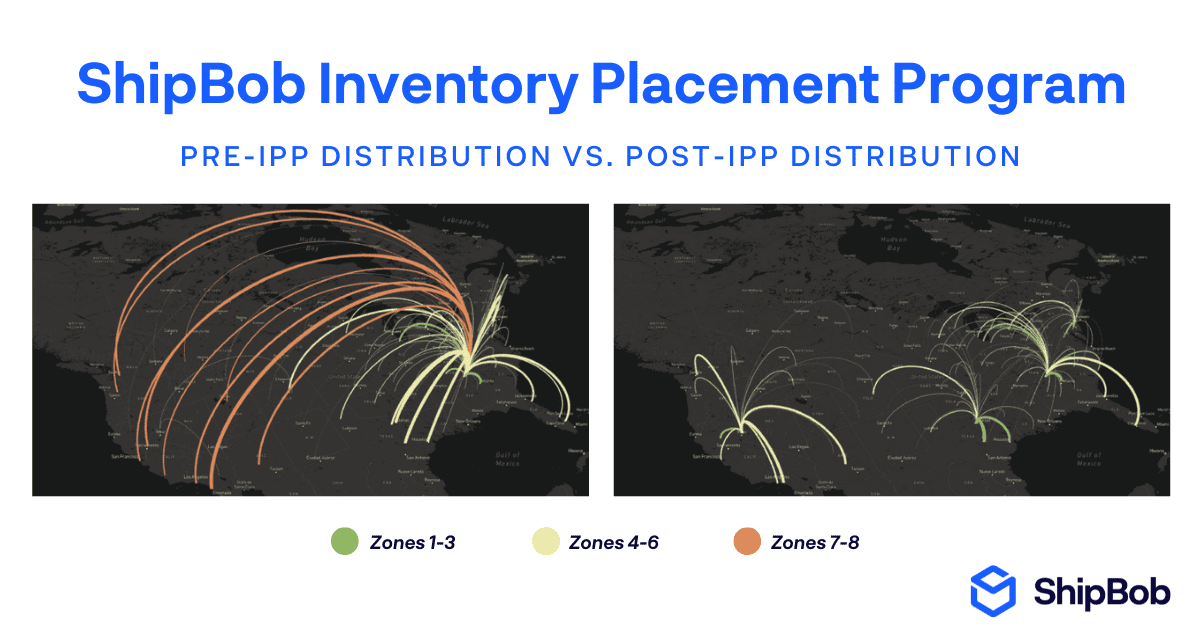
Hundreds of merchants leverage ShipBob’s Inventory Placement Program (IPP) to automate inventory distribution, placement, and rebalancing in the US. By using IPP, brands can place inventory in fulfilment centres closest to end customers, effectively reducing the number of shipping zones an order has to travel to the final destination.
- In 2025, brands using IPP experienced a 15% reduction in shipping zones.
- In 2025, brands using IPP experienced a 16% increase in in-region fulfilment.
“Since launching with IPP, we’ve been able to allocate our inventory across 4 of ShipBob’s fulfilment centres in the United States, which cut our shipping times by a third – from 5.2 days down to about 3.6 days. Not only has transit time dropped, but at the same time we reduced fulfilment costs by over $2 per order compared with our old 3PL. This combination has been key to profitable growth this year. It’s a no-brainer.”
– Matt Crane, Co-Founder and Chief Science Officer at Semaine Health
Shipping speed still matters
Quick shipping is a priority for both customers and brands.
- 69% of brands aim to deliver US domestic orders in 2-3 days
ShipBob has prioritized making large investments in our fulfilment network to provide faster shipping options to our merchants. In 2024, we added new regional sort centres and pivoted from individual fulfilment centre pickups to a middle-mile network to streamline our transportation and logistics.
Because of these improvements, we saw:
- 10% faster delivery times YoY, driven by ShipBob’s regional sort centre and courier management enhancements.
- 25% of packages were picked up between 8:00 p.m. and 2:00 a.m., thanks to ShipBob’s near 24/7 operations and Hub-and-Spoke model.
Customer success spotlights
Of the thousands of brands that leverage ShipBob for order fulfilment, here are a few ways ecommerce brands have saved money, improved their operations, and scaled their business with ShipBob.
True Classic leverages ShipBob to grow their multi-million dollar business
With ShipBob as their partner, apparel brand True Classic fulfils orders to 5M people across 190 countries. They’re able to offer faster, cheaper delivery by distributing inventory throughout ShipBob’s fulfilment network. ShipBob’s full‑stack technology gives True Classic unified visibility across fulfilment centres in 4 countries, 13 brick-and-mortar locations, and multiple retail stores (including Target and Costco).
By adopting ShipBob’s FTZ warehousing model, they defer millions in duties and strengthen cash flow.
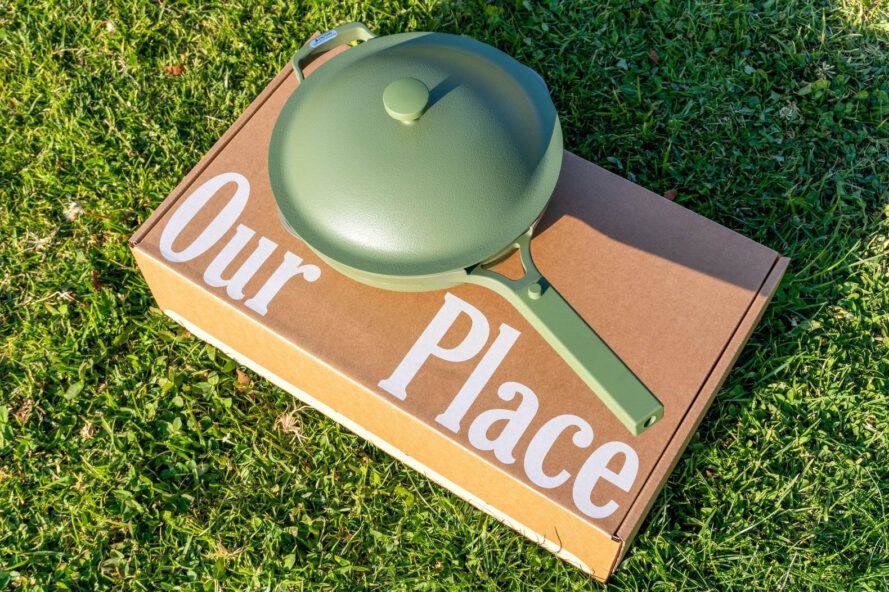
Our Place saved $1.5M in freight costs and cut fulfilment speeds in half with ShipBob IPP
By expanding from two to four ShipBob fulfilment centres, Our Place reduced average delivery times from five to six days down to just 2.5 days. This strategic shift also generated $1.5 million in freight cost savings, with 98% of parcels now shipping to lower-cost Zones 1 through 6.
Fulfilment strategies & recommendations for 2026
Based on the findings from our 2026 State of Ecommerce Fulfilment report, here are four key recommendations to optimise operations and increase profitability this year:
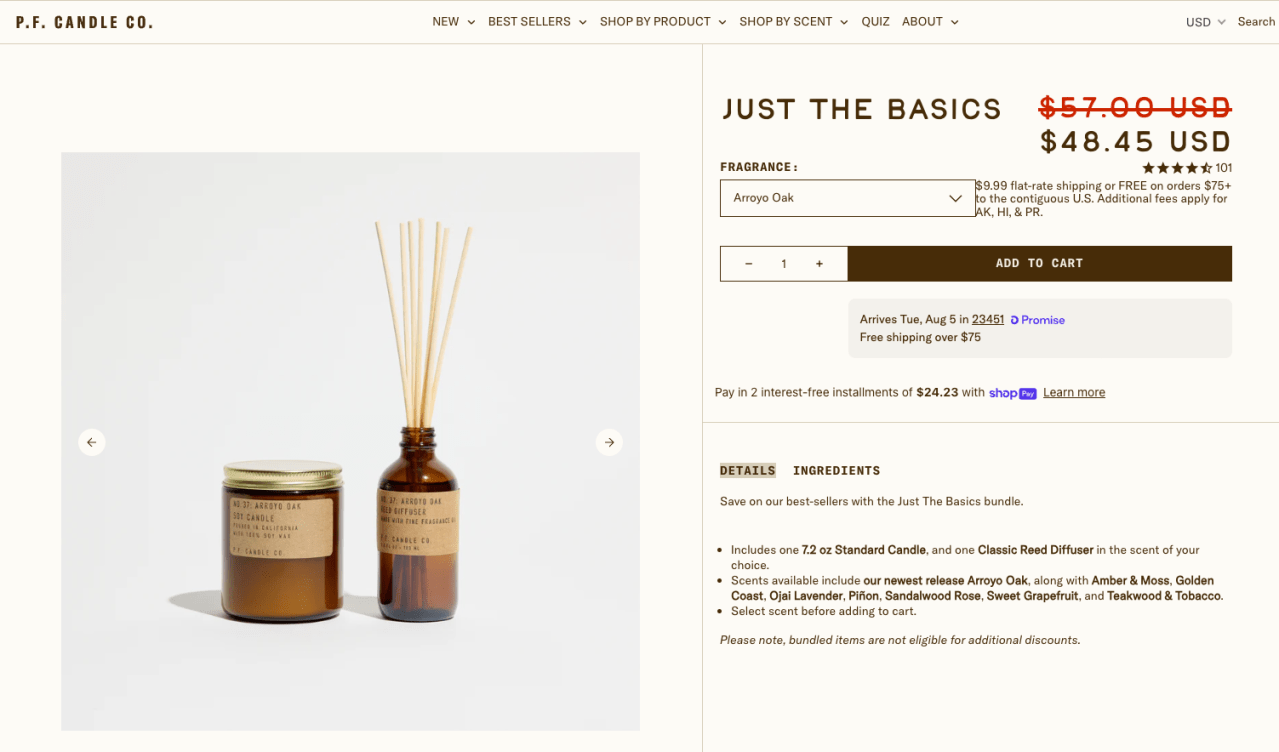
1. Bundle products to increase average order value (AOV)
Product bundling encourages shoppers to buy more while saving on shipping costs. Create kits with best sellers or offer “frequently bought together” suggestions to raise AOV and streamline fulfilment by reducing the number of individual shipments.
“Since adding new SKUs and implementing bundles with ShippBob, we’ve greatly increased our average order value (AOV) by $34 because we can offer bundles and multiple SKUs. That’s been a huge boost in revenue.”
Annie Leal, owner of I Love Chamoy
2. Use shipping threshold banners and progress bars
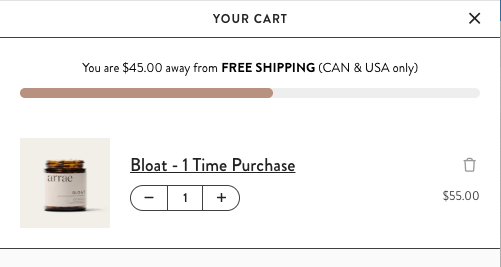
Display free shipping thresholds across your site to entice shoppers and use progress bars at checkout to show how close they are to qualifying for free shipping. This can not only boost conversion rates, but it also encourages higher AOV.
3. Split inventory across fulfilment centres to lower shipping zones
By strategically storing inventory across multiple fulfilment centres in the US, you can reduce the number of shipping zones an order has to travel. This leads to faster, more cost-effective shipping and a better customer experience.

4. Evaluate centralised vs. distributed warehouse strategies
A centralised warehouse model may work for smaller catalogues or early-stage brands, but fast-growing businesses often benefit from a distributed inventory approach. Using a network of fulfilment centres can improve delivery speeds, lower last-mile costs, and provide greater flexibility during peak seasons.
Fulfilment trends resources & downloads
Top picks for you
Elevate your order fulfilment
Discover the ways ShipBob can help chaos-proof your fulfilment and streamline your operations.
Get started with ShipBob
Connect with the ShipBob team to learn more and get a custom fulfilment quote.
FAQs about ecommerce and fulfilment trends
Here are answers to commonly asked questions about ecommerce and fulfilment trends.
Which countries does ShipBob ship to in 2026?

ShipBob can ship to over 250 destinations across the world from any of its fulfilment centres. ShipBob has a global fulfilment network of over 60 fulfilment centres in the US, Canada, the UK, the EU, and Australia.
What should small and medium ecommerce businesses focus on first?
At ShipBob, we recommend that small and medium-sized businesses (SMBs) start by mastering domestic order fulfilment. By building a strong foundation in your primary market, you can reduce shipping costs, improve delivery speeds, and boost customer trust.
Once you’ve mastered domestic fulfilment, you can focus on expanding to new sales channels (like Amazon, TikTok Shop, and more) and adding value through customisation like kitting or branded packaging. When demand picks up, ShipBob can help you seamlessly expand into global markets with our international network of 60+ fulfilment centres and start B2B order fulfilment with big box retailers like Target, Walmart, and more.
How can brands balance sustainability with fast shipping expectations?
Ecommerce brands don’t have to choose between speed and sustainability. A fulfilment partner like ShipBob helps brands achieve both through smart infrastructure and technology.
Distributing inventory across multiple fulfilment centres places products closer to end customers, allowing brands to reduce shipping distances, emissions, and delivery times. ShipBob’s global fulfilment network and Inventory Placement Program helps brands achieve this.
Efficient fulfilment and zone skipping lower fuel use and reduce carbon impact. ShipBob’s regional hub-and-spoke model and direct truckload routes cut courier miles by up to 30%, speeding up delivery while reducing emissions.
