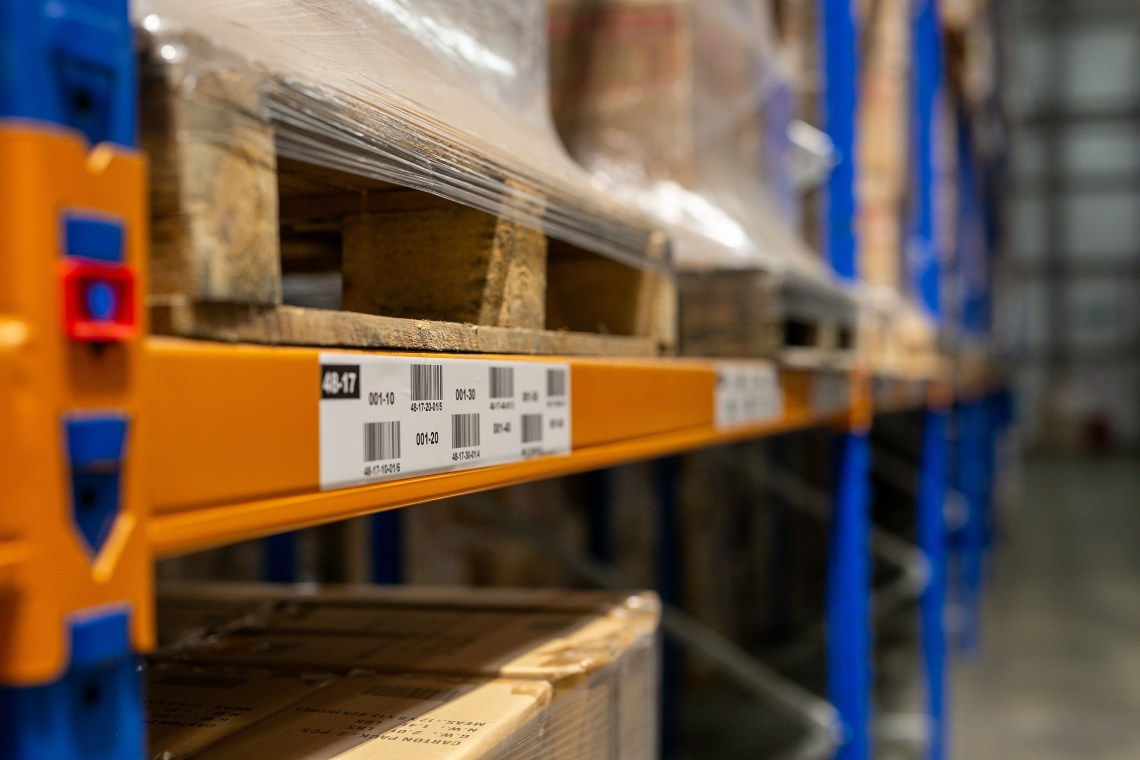

A well-designed warehouse location numbering system is essential for efficient inventory management and order fulfillment. Without one, you risk costly mistakes from misplaced products, picking errors, and shipping delays that erode customer trust.
But as important as these numbers systems are, they can be challenging to create. High SKU counts, inventory fluctuations, and complex warehouse layouts make it difficult to implement scalable solutions, so you’ll need to follow best practices to build a system that works for your brand.
In this blog post, we’ll cover how to create a warehouse location numbering system, including everything from basic components to advanced maintenance.
What is a warehouse location numbering system?
A warehouse location numbering system is a structured methodology for identifying and organizing inventory storage locations within a warehouse.
By assigning unique codes to each zone, aisle, rack, shelf, and bin, these systems create a clear and logical framework for tracking the precise location of every item in the facility.
Unlike manual or ad-hoc methods that can lead to confusion and errors, a well-designed location numbering system serves as the foundation for efficient inventory management, order fulfillment, and overall warehouse operations.
‼️ The importance of consistency and logic
For a location numbering system to be effective, it must follow a consistent and logical progression throughout the warehouse. This means:
- Using a standardized format for all location codes, with clear separators between each hierarchical element (like dashes or periods).
- Ensuring that the numbering sequence follows a predictable pattern, such as odd numbers on the left and even numbers on the right, or lower numbers at the front of the warehouse and higher numbers at the back.
By creating a system that is intuitive and easy to navigate, warehouses can minimize confusion and errors during the picking and putaway processes.
🛠️ Adapting to different warehouse layouts
Of course, not all warehouses are designed the same way, so location numbering systems must be adaptable to different layouts and configurations.
For example, a facility with multiple floors may need to incorporate a level designator into its coding scheme, while a warehouse with irregular shaped zones may need to use alpha-numeric combinations to distinguish between areas.
The key is to create a system that is tailored to the unique needs and characteristics of each facility, while still maintaining a consistent and logical overall structure.
This may require some trial and error to find the right balance, but the benefits of a well-designed location numbering system are well worth the effort.
🤝 Putting it all together
Once a location numbering system is in place, it becomes the backbone of all warehouse operations. Pickers use the codes to quickly and accurately locate items on their pick lists, while putaway teams use them to ensure that incoming products are stored in the correct locations.
Meanwhile, warehouse management systems (WMS) rely on the location codes to track inventory levels, generate pick lists, and provide real-time visibility into the movement of goods throughout the facility. By integrating the location numbering system with barcode scanners and other digital tools, warehouses can automate many of these processes and reduce the risk of manual errors.
The fundamentals of warehouse location numbering
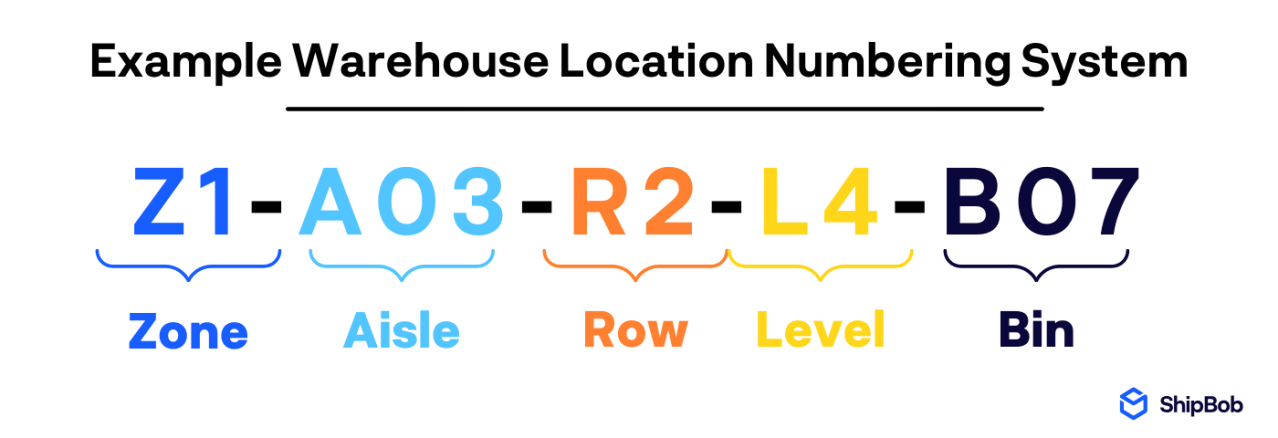
A well-designed warehouse location numbering system follows a hierarchical structure that logically organizes the entire storage space.
The most common approach is to start with broad zones and progressively narrow down to specific bins, using a consistent coding format at each level.
Here’s a typical hierarchy:
- Zone: Divide the warehouse into distinct areas based on function (e.g., receiving, picking, packing) or product type (e.g., electronics, apparel, perishables).
- Aisle: Assign a unique identifier to each aisle within a zone, usually using a sequential numbering or lettering system.
- Rack: Label each rack or shelving unit along an aisle, often alternating odd and even numbers on opposite sides.
- Level: Specify the vertical position of a shelf or pallet rack level, starting from the ground up.
- Bin: Identify the individual storage compartment or slot within a level, using a consistent numbering pattern.
The resulting location codes follow a predictable format, such as “Z1-A03-R2-L4-B07,” which translates to “Zone 1, Aisle 3, Rack 2, Level 4, Bin 7.” This structured approach allows warehouse staff and digital systems to pinpoint any item’s exact location quickly.
To ensure an effective system, consider these key components:
- Clear signage: Display location codes prominently on racks, shelves, and bins using durable, easily readable labels.
- Logical progression: Ensure that codes follow a sensible sequence that aligns with natural walking paths and picking routes.
- Consistency: Apply the same coding conventions throughout the warehouse to avoid confusion and errors.
- Technology integration: Ensure that your WMS can interpret and process location codes seamlessly for real-time inventory tracking.
- Visual cues: Use color-coding, symbols, or other visual indicators to differentiate zones or product categories at a glance.
When you combine these elements into a comprehensive system, you create a foundation for efficient inventory management and order fulfillment that scales with your business. Remember, the goal is to design a system that is intuitive for your team and optimized for your specific operational needs.
3 common approaches to warehouse location numbering
Introduce the concept that different business needs require different approaches to location numbering; explaining how each system impacts inventory management, picking efficiency, and scalability.
Fixed location system
A fixed location system assigns each SKU a permanent, dedicated storage location within the warehouse.
This approach offers several benefits, such as predictable picking routes, simplified staff training, and reduced errors. When pickers know exactly where each item is located, they can navigate the warehouse more efficiently and accurately.
However, fixed location systems also have some limitations. They may lead to suboptimal space utilization, as designated locations remain vacant when their assigned SKUs are out of stock. This can be particularly challenging for businesses with seasonal inventory fluctuations or frequent product turnover.
Fixed location systems are best suited for ecommerce operations with stable product lines and consistent order patterns.
Random location system
In a random location system, also known as a dynamic or chaotic system, incoming inventory is assigned to any available location based on real-time space availability. This approach maximizes storage capacity by ensuring that every cubic foot of the warehouse is utilized effectively.
Random location systems offer great flexibility for businesses with high SKU variety and fluctuating inventory levels. They allow for efficient use of space as product mix and volumes change over time.
However, this flexibility comes at the cost of increased complexity. Random systems absolutely require robust warehouse management software (WMS) to track the ever-changing location of each item. Pickers must rely on digital pick lists and barcode scanning to navigate the warehouse efficiently.
Hybrid location system
A hybrid location system combines elements of both fixed and random approaches to achieve the best of both worlds.
In a typical hybrid setup, fast-moving SKUs are assigned to fixed locations in easily accessible areas, while slower-moving items are dynamically allocated to random locations based on available space.
This blended approach balances the predictability of fixed locations with the flexibility of random storage. It allows businesses to optimize picking efficiency for their most popular items while still maintaining adaptable space utilization overall.
Implementing a hybrid system requires careful analysis of product velocities and order patterns to determine the optimal mix of fixed and random locations. It also demands a sophisticated WMS to manage the complex location assignments and guide pickers through the most efficient routes.
6 steps to design your warehouse location numbering scheme
Introduce the methodical approach needed to create an effective, scalable system; emphasizing the importance of planning before implementation.
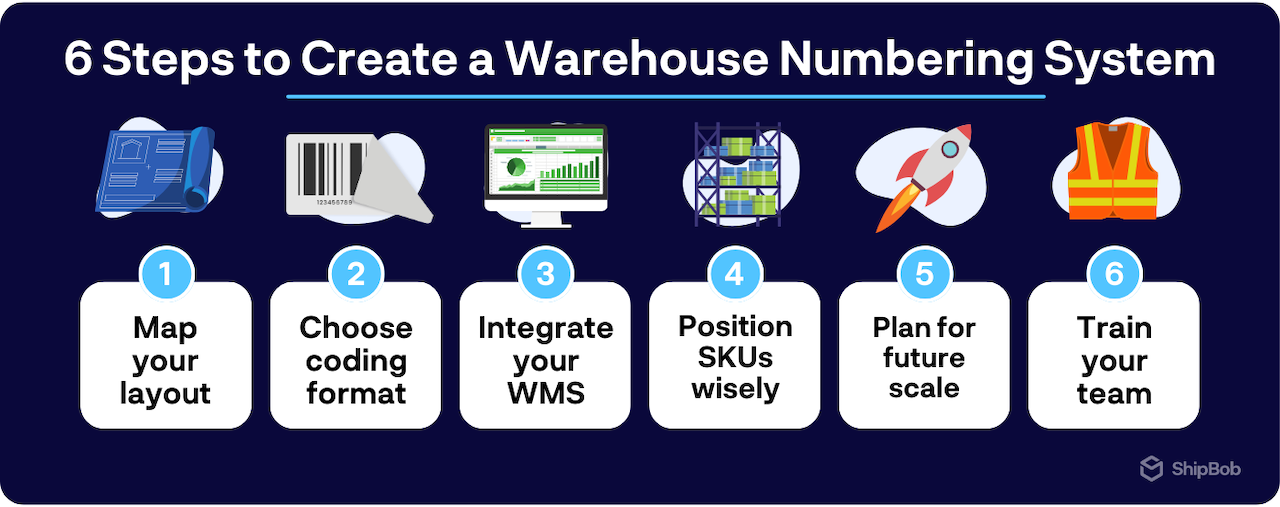
1. Map and zone your warehouse layout
Before diving into the nitty-gritty of assigning codes, take a step back and create a detailed map of your warehouse space. This bird’s-eye view will serve as the foundation for your entire numbering system, so it’s crucial to get it right.
Start by accurately measuring the dimensions of your facility, noting the location of doors, columns, and any fixed obstacles. Then, divide the space into distinct zones based on function, such as receiving, storage, picking, packing, and shipping. Consider factors like product type, order frequency, and any special storage requirements when defining these areas.
As you design your zones, keep efficiency top of mind. Aim for a layout that minimizes travel time and maximizes flow, with frequently accessed items positioned closer to packing stations. And don’t forget to leave room for future growth – a little extra space now can save you major headaches down the line.

2. Choose a logical coding format
With your warehouse map in hand, it’s time to develop a standardized format for your location codes. While there’s no one-size-fits-all approach, an effective system should be intuitive, scalable, and easy to communicate.
One popular method is to use a hierarchical, alphanumeric code that progresses from broad to specific. For example, a code like “A-03-2-4-07” might indicate:
- Zone A
- Aisle 03
- Rack 2
- Level 4
- Bin 07
This structure allows for quick identification of the general area and drill-down to the exact location. Consider incorporating visual elements, like color-coding or clear signage, to make codes even easier to spot at a glance.
When determining the length and complexity of your codes, strike a balance between detail and usability. A code with too many characters may be prone to errors, while one that’s too simple may not provide enough specificity. Aim for a “Goldilocks” solution that’s just right for your needs.
3. Integrate with your warehouse management system
Of course, even the most brilliantly designed location system is only as good as its execution. To truly leverage the power of your numbering scheme, it’s essential to integrate it seamlessly with your warehouse management system.
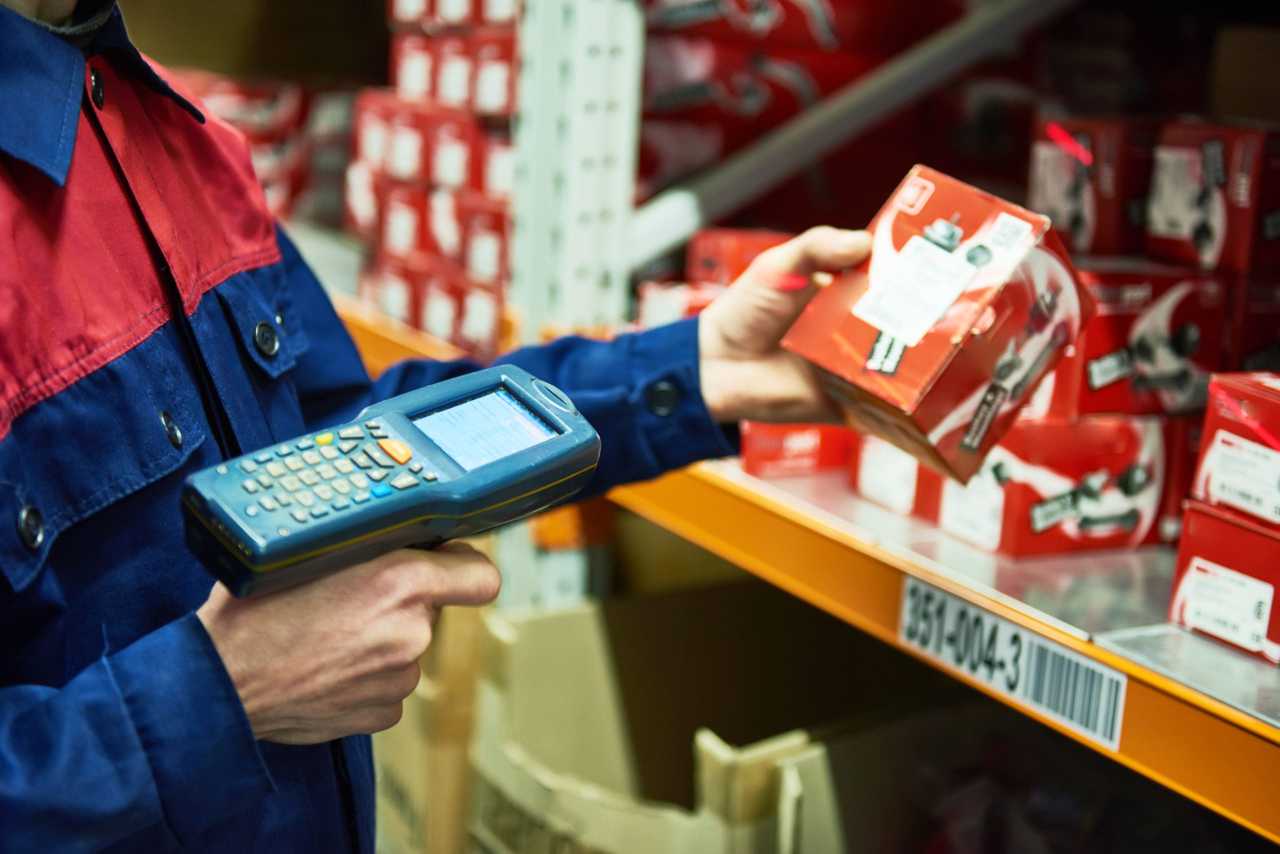
Start by configuring your WMS to recognize and process your new location codes. This may involve mapping codes to digital warehouse layouts, setting up barcode scanning capabilities, and ensuring real-time synchronization across all connected devices.
If you’re working with an existing inventory management system, be prepared to tackle any integration challenges head-on. It may take some trial and error to get all the pieces playing nicely together, but the effort will pay off in spades when you can trust your WMS to provide accurate, up-to-the-minute location data.

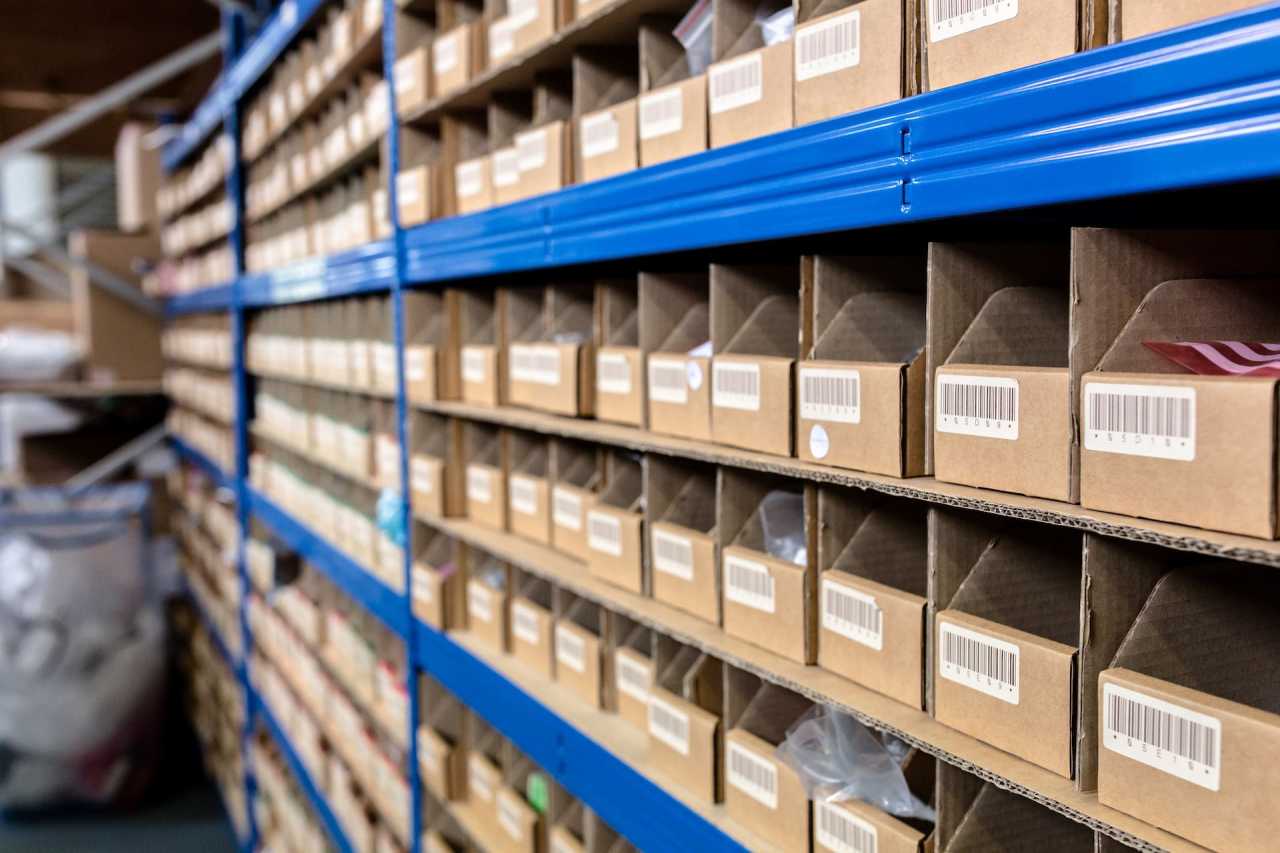
4. Position related SKUs strategically
With your location system locked in, it’s time to put it to work by strategically positioning your inventory. The goal here is to minimize picking time and maximize efficiency by placing frequently ordered items in easily accessible locations.
Start by analyzing your order history to identify product pairings and high-velocity SKUs. Then, assign these items to prime storage locations near packing stations or along efficient pick paths. Grouping products by category, size, or other relevant attributes can also streamline the picking process.
For example, if you consistently sell a certain combination of items together, it makes sense to store them in close proximity. By reducing the distance between picks, you can shave valuable seconds off each order and keep your fulfillment operation humming.
5. Plan for scalability
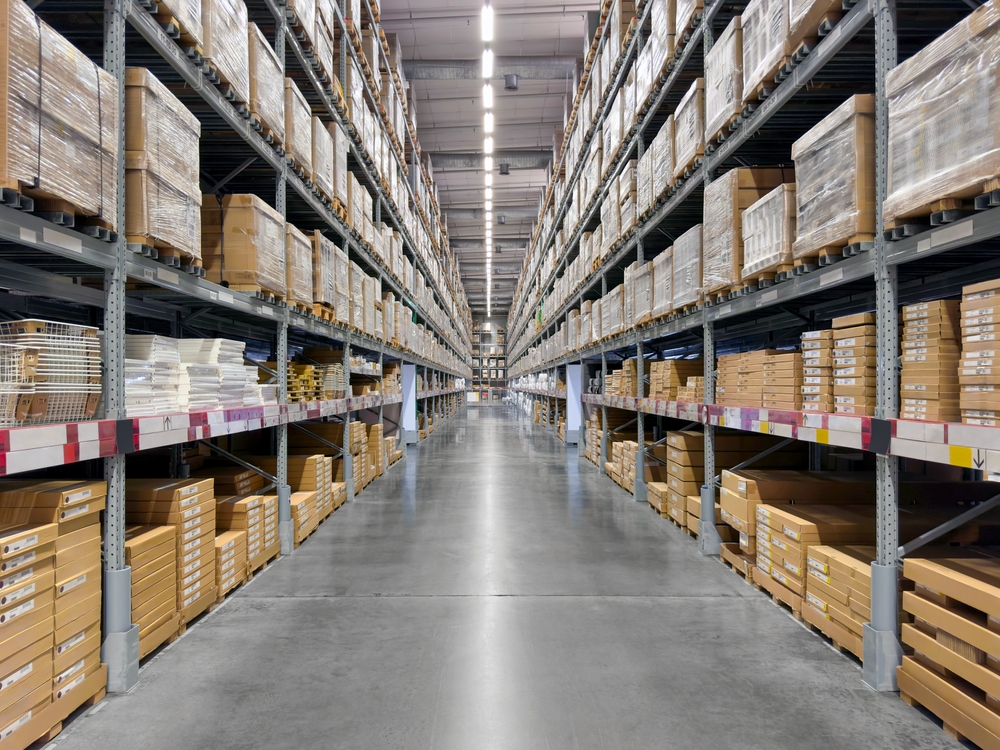
As any successful ecommerce business knows, growth can come at you fast. One day you’re managing a tidy inventory in a single warehouse; the next, you’re juggling thousands of SKUs across multiple facilities. To avoid growing pains, it’s crucial to design your location numbering system with scalability in mind from the start.
One strategy is to leave gaps in your sequential numbering to accommodate future additions. For example, you might number aisles in increments of 10 (A10, A20, A30) to leave room for expansion. Similarly, creating “sub-zones” within larger areas can make it easier to subdivide space as needed.
If you anticipate expanding to multiple warehouses down the line, consider how you’ll maintain consistent numbering across facilities. A unified system will make it far easier to track inventory and fulfill orders seamlessly as your operation grows.
6. Train your team and roll it out
Even the most ingenious location system is only effective if your team knows how to use it. Before rolling out your new numbering scheme, invest time in thorough staff training to ensure everyone is on the same page.
Create clear documentation and reference materials that outline the logic behind your system and the procedures for using it correctly. Consider implementing a phased approach, starting with a small pilot area before expanding to the full warehouse. This will give you a chance to work out any kinks and gather feedback from your team.
As you launch, build in testing procedures to verify the accuracy of your system and identify any potential issues. And don’t forget the importance of change management – clear communication and strong leadership can go a long way in getting your team on board with the new approach.
Designing and implementing a warehouse location numbering system may seem daunting, but with careful planning and execution, it can be a game-changer for your ecommerce fulfillment. By creating a logical, scalable system that integrates seamlessly with your WMS and supports strategic inventory placement, you’ll be well on your way to a more efficient, error-free operation.

5 best practices for maintaining and updating your warehouse numbering system
Once you’ve implemented a warehouse location numbering system, the work doesn’t stop there.
To ensure that your system continues to deliver the efficiency and accuracy benefits you need, it’s crucial to maintain and update it regularly. Over time, even the most well-designed system can degrade without proper upkeep, leading to errors and inefficiencies that can slow down your operation.
Here are five best practices to keep your warehouse numbering system running like a well-oiled machine:
1. Conduct regular audits
Just like any other aspect of your warehouse operation, your location numbering system requires regular check-ups to stay healthy.
Conducting periodic audits is the best way to catch any discrepancies or inaccuracies before they snowball into bigger issues.
The frequency of your audits will depend on the size and complexity of your operation, but a good rule of thumb is to conduct a full review at least once per quarter. During these audits, compare your physical inventory locations to your digital records, verifying that each item is where it’s supposed to be and that all location codes are accurate.
If you do uncover any errors, correct them immediately and track them in a log. Over time, patterns in these errors can reveal weaknesses in your system that may require a more systematic fix.
2. Avoid code conflicts
As your SKU count grows and your warehouse expands, it’s easy for location codes to start looking alike. Without careful management, you may find yourself with a rack 3A and an aisle 3A, leading to confusion and mispicks.
To avoid these conflicts, establish clear conventions for distinguishing between different types of codes.
For example, you might use all numbers for aisles and all letters for racks, or you might designate SKU codes with a different color or prefix than location codes.
Before implementing any changes to your coding system, test them thoroughly to ensure they won’t create new confusion points. And as your operation evolves, periodically review your conventions to make sure they still make sense.
3. Leverage real-time data updates
In today’s fast-paced ecommerce environment, a location numbering system is only as good as the data behind it. To keep your system accurate and up-to-date, it’s essential to leverage real-time data updates whenever possible.
Ensure that any changes to inventory locations are immediately reflected in your WMS.
Mobile barcode scanning technology can be a game-changer here, allowing workers to update location information on the spot as they move items around the warehouse.
Of course, real-time updates are only valuable if your underlying data is accurate. Establish clear procedures for handling location changes during normal operations, and make sure all staff are trained on the importance of maintaining data integrity.
4. Use analytics to optimize layout
Your location numbering system isn’t just a tool for organizing your warehouse – it’s also a rich source of data that can help you optimize your layout and processes over time.
By tracking metrics like pick times, error rates, and space utilization by location, you can identify inefficiencies and bottlenecks in your current setup.
For instance, you may discover that certain high-velocity items are located too far from packing stations, or that particular zones are prone to mispicks due to confusing labels.
Armed with this data, you can make informed decisions about reorganizing your warehouse layout to improve flow and accuracy. Don’t forget to consider seasonal changes in your product mix – what works well during the holiday rush might need adjustment during slower periods.
5. Document every update
Finally, as you make changes and optimizations to your location numbering system over time, it’s crucial to document every update along the way. This documentation serves as a master reference for your entire system, ensuring that everyone is working from the same playbook.
Create a centralized change log where you track every modification made to your system, no matter how small.
Use version control for your warehouse maps and location guides, so you can easily refer back to previous configurations if needed.
Most importantly, establish clear procedures for communicating system changes to all stakeholders, from warehouse staff to IT teams to leadership. The more everyone understands about how your system works and evolves, the more effectively they can use it to drive results.
How ShipBob optimizes warehouse operations with advanced location numbering
At ShipBob, we know firsthand the power of a well-designed warehouse location numbering system. As a leading ecommerce fulfillment and supply chain enablement platform, we’ve built our entire operation around the principles of organized, efficient inventory management – and it all starts with smart location coding.
The technology behind ShipBob’s warehouse management
The backbone of ShipBob’s fulfillment network is our proprietary warehouse management system (WMS). This powerful software solution is designed to optimize every aspect of the fulfillment process, from receiving and putaway to picking, packing, and shipping.
At the core of our WMS is a sophisticated location management module that assigns a unique code to every bin, shelf, and pallet location across our global network of fulfillment centers.
These codes follow a standardized format that includes the warehouse identifier, zone, aisle, rack, and shelf, enabling pinpoint accuracy for every item we store.
But our system doesn’t just assign codes; it also leverages them to drive efficiency at every turn. When an order comes in, our WMS automatically determines the optimal fulfillment location based on factors like inventory levels, geographic proximity to the end customer, and real-time carrier rates. It then forwards the order to that fulfillment location and generates a pick list that guides our warehouse associates to the exact location of each item via the most efficient route possible.
The result? Lightning-fast turnaround times, industry-leading accuracy rates, and a fulfillment experience that delights customers and merchants alike.

“Our warehouse has two sections: one that stores inventory for traveling retail locations, and one for inventory that’s set aside to fulfill website DTC orders. This means that a single SKU is often stored in two places – but the way ShipBob WMS is designed, you can easily store different batches of the same SKU uniquely. It lets us separate inventory (some for fulfillment and some for touring) without losing track of the bigger inventory picture. We can trust that each location’s counts are accurate, which is a huge help.”
Tucker Robinson, Warehouse Director at Savannah Bananas
Empowering merchants with advanced location management
At ShipBob, we believe that every ecommerce business deserves access to the same advanced fulfillment capabilities that power the world’s largest brands. That’s why we’ve designed our platform to be incredibly user-friendly and accessible, even for merchants just starting out.
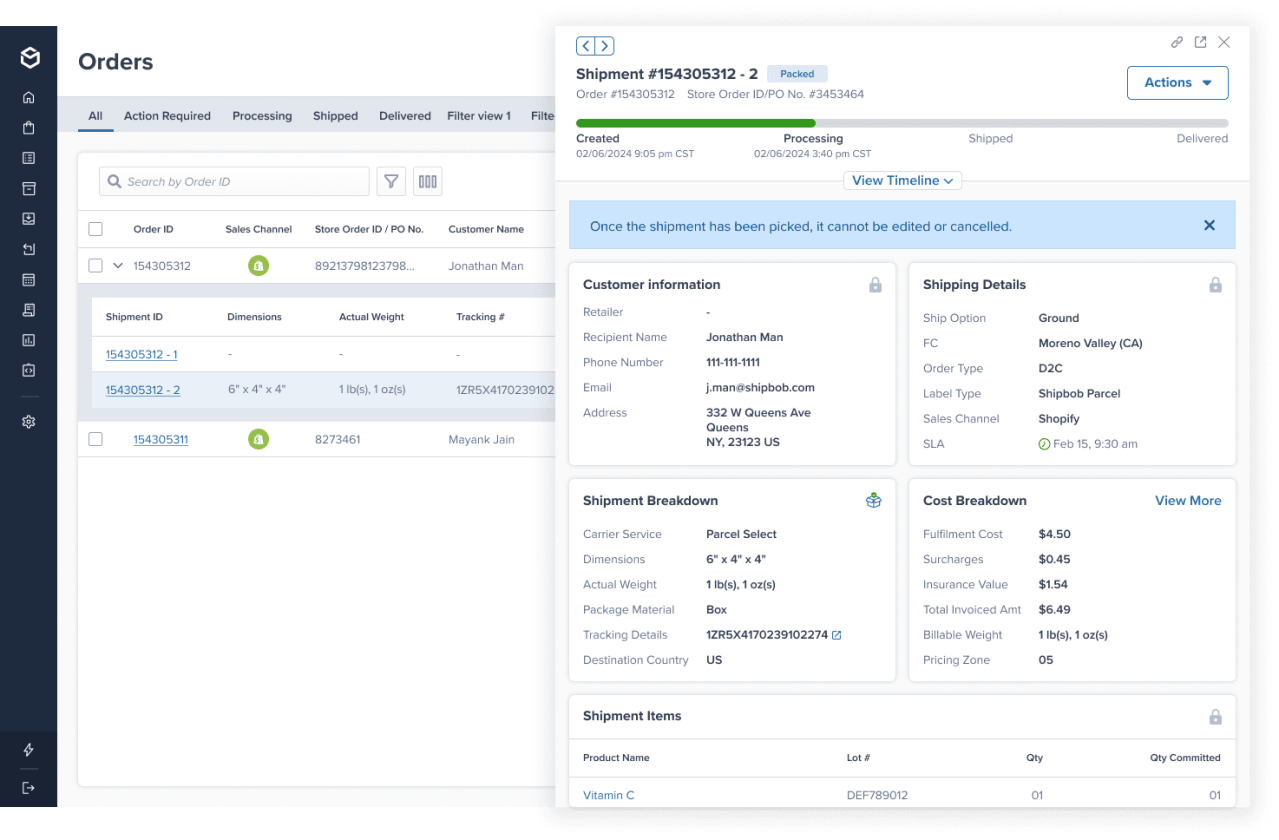
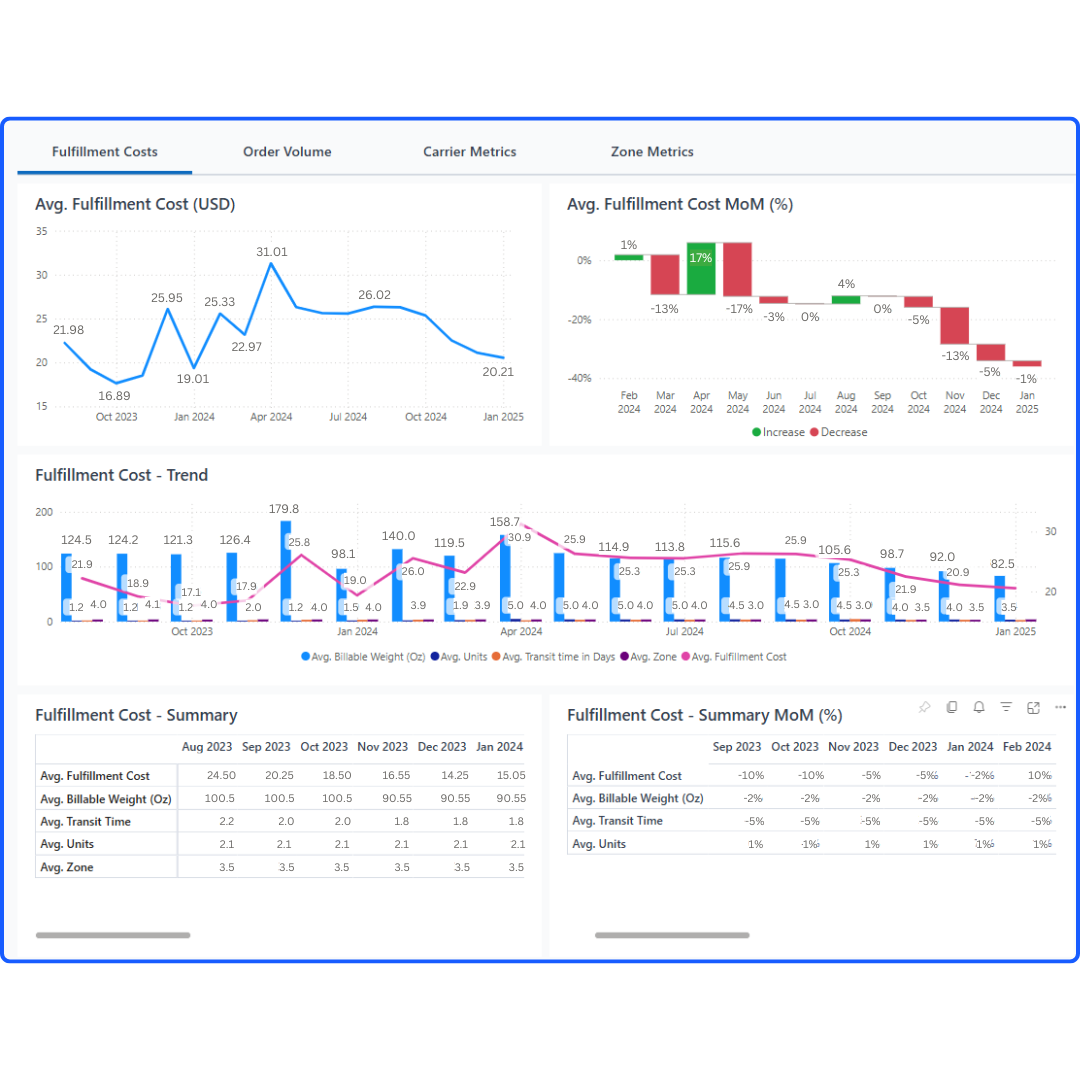
- Analytics dashboard: When you partner with ShipBob, you gain instant access to our best-in-class WMS and location management tools. From your personalized analytics dashboard, you can view real-time inventory levels across all of our fulfillment centers, enabling you to make informed decisions about when and where to replenish stock.
- Deep operational visibility: Our system also gives you granular visibility into the exact location of every unit you store with us. Whether you need to track down a specific item for quality control or simply want to understand how your products flow through our network, our tools put the power of data at your fingertips.
- Expertise and support: Our team of fulfillment professionals has decades of combined experience optimizing location numbering systems for maximum efficiency, and we bring that knowledge to bear for every merchant we serve.
“For mid-market brands with big-scale operations like ours, it’s super important to have a fulfillment partner with top-of-the-line technology. When the numbers are big (and getting bigger), you simply cannot control, monitor, or record everything manually. You need a lot of tools to support you, and ShipBob offers those tools.
I’m very tech-savvy and a big numbers guy. Through ShipBob’s dashboard, I can access all the analytics we need across inventory, storage, orders, fulfillment, shipping – the works. I’m using them all, and they’re all great.
Honestly, these analytics help me keep my team really lean. I don’t need a lot of people to work with the system, because the system is working for me. That’s a huge upside.”
Nadav Haras, VP of Supply Chain at Particle
For more information on how ShipBob can help you optimize your warehouse to reduce your costs and deliver an unparalleled customer experience, click the button below to get in touch.
Warehouse location numbering system FAQs
Below are answers to common challenges and queries regarding warehouse location and numbering systems.
What is the difference between a warehouse numbering system and a warehouse location system?

A warehouse numbering system refers to the methodology for assigning location codes, while a warehouse location system encompasses the physical implementation of those codes through labels, signs, and tracking technology.
How do I prevent confusion if SKUs and location codes look alike?
To avoid mix-ups between SKUs and location codes:
- Use distinct formatting for each, such as adding a “LOC-” prefix to location codes, or implement color-coded labels and different barcode types to make them visually distinct.
- Train your staff thoroughly with clear examples and documentation. Post visual guides in key warehouse areas to reinforce these differences.
Can I implement a warehouse numbering system across multiple fulfillment centers globally?
Yes, you can implement a consistent warehouse numbering system globally, which offers key advantages: streamlined training, simpler inventory transfers, and better supply chain visibility. Create a flexible framework that includes site-specific identifiers within your standardized format to balance consistency with local needs.
A centralized WMS is also essential for managing inventory across multiple locations with a unified numbering scheme. It provides real-time visibility and control from a single platform, keeping your global system consistent.
How do I adapt my location numbering system as my business grows?
Design your location numbering system with scalability from the start by reserving extra digits for future zones or creating a modular system that easily accommodates new sections without disrupting existing structures.
Regularly review your system as your business grows. Whether adding new products, expanding storage, or opening new facilities, your numbering system must remain flexible while maintaining consistency. This forward-thinking approach ensures your warehouse operations stay efficient and organized through every stage of growth.
Does ShipBob help with setting up a location numbering system?
Yes, ShipBob provides complete support for warehouse location numbering systems. Our fulfillment service includes an advanced WMS with built-in location management that keeps your inventory organized and optimized throughout the fulfillment process.
If you manage your own warehouse, we offer a standalone WMS that integrates with your existing systems. Our experts will help design and implement a custom location numbering system specifically for your business, leveraging our extensive experience with ecommerce operations of all sizes.
How do I measure the effectiveness of my warehouse location numbering system?
To measure your warehouse location numbering system’s effectiveness, track these key metrics:
- Picking speed: How quickly can staff find and retrieve items?
- Accuracy rates: How frequently do errors occur, and how well does your system prevent lost inventory?
- Space utilization: Is your system maximizing available storage space?
Compare these KPIs before and after implementation to quantify improvements. Regular reviews and proactive maintenance will keep your system driving warehouse efficiency and accuracy as your business grows.


