
Table of Contents
** Minutes
ShipBob’s last-mile delivery partners can save you a fortune
Key Takeaways
1
Zone skipping is a logistics strategy that consolidates shipments destined for the same region, reducing transit times and shipping costs by bypassing multiple sorting facilities and zones.
2
Zone skipping allows ecommerce businesses to pay only regional rates for last-mile delivery, significantly lowering costs compared to shipping individual parcels separately.
3
By directly transporting consolidated shipments to the destination region, zone skipping shortens delivery timelines and minimises the risk of damage during transit.
4
ShipBob enhances zone skipping by using its network of fulfilment centres and logistics expertise to optimise delivery speed and cost-effectiveness.
Ecommerce businesses are on a constant quest to cut shipping costs without sacrificing speed and customer experience.
Yet, it’s tempting to do so by finding the cheapest carrier to ship customer orders. If the goal is to cut costs while also meeting customer needs, it takes some time to think through an effective shipping strategy.
One strategy that ecommerce businesses are taking advantage of is a shipping concept known as “zone skipping.”
In this article, we’ll discuss what zone skipping entails and how it can cut down on shipping costs for your business.
What is zone skipping?
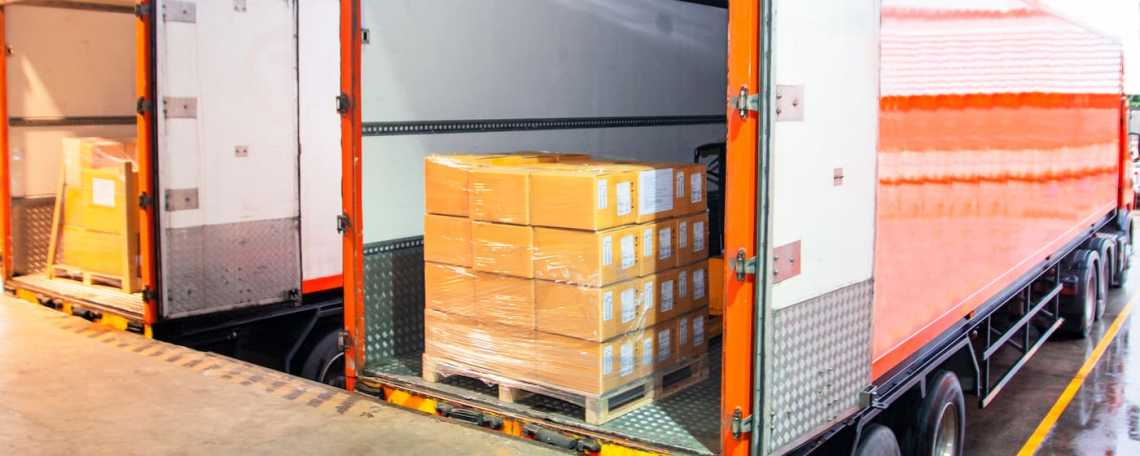
Zone skipping is a shipping strategy that consolidates multiple parcel or freight loads destined for the same region and sends them out in a single shipment. Since the direct line haul bypasses multiple sorting facilities and shipping zones along the way, it reduces transit times and the risk of damage.
Why is zone skipping important in ecommerce?
With zone skipping, online businesses have an opportunity to save delivery time while cutting down on shipping costs.
Instead of paying to ship thousands of individual parcels separately, zone shipping consolidates them into a single shipment.
Once consolidated, the businesses only pays a regional rate, which significantly brings down the cost of last-mile delivery.
Since zone skipping involves directly transporting shipments to the destination region without making multiple stops in between, it can also reduce delivery times.
How does zone skipping work?
Zone shipping works by consolidating a shipment, which directly ships from Zone 1 to Zone, skipping over shipping zones in the process.
The consolidated load is shipped across multiple regions and then only offloaded at the local delivery destination.
This type of shipment will only go through a sortation process once it reaches the destination region, where individual parcels are then routed for final-mile delivery.
Here is breakdown:
- Consolidation: Shipments are consolidated and sent from their origin to a location closer to their final destination.
- Direct Transport: The consolidated load is transported directly to the target region.
- Final-Mile Delivery: Once at the destination region, parcels are sorted and routed for final-mile delivery.
The benefits of zone skipping
With zone shipping, ecommerce businesses can optimise their shipping operations.
Here are some of the major benefits of zone skipping.
Reduced last-mile delivery costs
Last-mile delivery for individual packages can quickly add up.
Zone skipping allows a business to ship to the destination and skip several shipping zones during the process, therefore reducing shipping costs.
With zone shipping, retailers can avoid the costs associated with carrier sortation at different regional hubs and only bear the regional cost of sorting in the destination zone.
So instead of paying national rates during the shipping process, they are only responsible for paying only a regional rate.
Stronger profit margins
Zone skipping can reduce overall shipping costs, which can yield higher profit margins for your business.
For instance, say it costs $10 to ship one package from Philadelphia to Minneapolis. Shipping 2,000 individual packages would end up costing you $20,000.
On the other hand, a truckload of 2,000 packages shipped to the carrier’s sorting facility in Minneapolis costs around $3,000. From here, you pay an additional $7 per order to deliver the packages all within the same zone.
That means you end up paying $17,000 overall, saving you a total of $3,000.
Shortens last-mile delivery timelines
When you send individual packages across several shipping zones, they typically have to make a stop at each zone, where they go through a sortation process so they can be routed to the right destination.
This process can significantly increase last-mile transit times.
Meanwhile, in zone skipping, a consolidated truckload would directly travel from one zone to the final zone without making any stops in between.
This means that it would take less time for the shipment to reach its destination region, allowing retailers to deliver their orders faster.
So what would’ve taken 4 to 5 days might only take about 2 to 3 days, for example.
Who can benefit from zone skipping?
Any ecommerce business owner that wants to optimise their shipping strategy and reduce costs can benefit from zone skipping.
This is particularly true for retailers that often have to move a large amount of freight into a specific region.
For example, if a businesses notices they are shipping a high volume of customer orders in a specific region, they can choose to implement zone skipping.
However, zone skipping isn’t as beneficial for low-volume monthly orders or when a business doesn’t see a high volume of orders come in from a specific region.
With the promise of improved transit times and reduced transportation costs, zone skipping is a great shipping option for many ecommerce businesses — especially if a business is seeing a high volume of orders.
Examples of zone skipping
Let’s say a retailer has to ship thousands of packages from their fulfilment centre in Georgia (Zone 2) to customers in California (Zone 8).
Some of the orders need to be delivered in Los Angeles, while others need to be delivered to San Francisco, but essentially, they’re destined for the same region.
Instead of shipping those packages individually, the retailer chooses to consolidate them into a single shipment.
The packages are first pre-sorted at a Georgia fulfilment centre and the shipment is then transported via freight shipping directly to two different sorting hubs — one in Los Angeles and one in San Francisco.
The truck doesn’t make any stops before reaching the final regional hub because all the packages are headed to one direction and do not need to go through additional sorting at other regional hubs in between.
Once the shipment arrives at each sorting hub, the packages are then sorted based on their destination to various regional cities.
For instance, packages sent to Los Angeles would then get sorted to deliver to cities like Santa Monica or Long Beach.
“Utilising ShipBob’s network of fulfilment centres allows us to lessen our carbon footprint as well. We’re currently storing inventory in some of ShipBob’s Southern California and Chicago facilities, which means that when we receive an order destined for someplace like New York, we don’t have to ship it from all the way across the country.
By shortening the transit distance, we get to shorten transit time and reduce the amount of pollution produced in the shipping process. Even in the final stages of fulfilment and last-mile delivery, ShipBob enables us to stay true to our mission!”
Juliana Brasil, Director of Operations at Food Huggers
Another similar approach to zone skipping is distributing inventory across distribution centres. For instance, if you want to serve customers in Australia and the US, you can split inventory across both locations. That way, when orders come in, they are routed to the nearest fulfilment location to reduce costs and delivery times.
Inventory that is shipped to an international fulfilment centre location in bulk, so you don’t have to pay for individual shipments each time an international order comes in.
ShipBob can save you money
Developing a shipping strategy that optimises costs and meets customer expectations on fast, affordable shipping can be a challenge.
That’s why many businesses partner with ShipBob. ShipBob is an omnichannel fulfilment provider that offers:
- A network of global fulfilment centres
- Fulfilment technology that optimises shipping
- Reduced shipping rates from domestic and international shipping couriers
ShipBob’s growing fulfilment network makes it easy to strategically distribute inventory, so it’s stored closer to customers.
Once orders come in from your online store or various sales channels (including social and marketplaces), orders are shipped out from the fulfilment centre closest to the customer’s destination.
This can significantly reduce delivery timelines and shipping costs.
ShipBob also partners with leading couriers such as USPS, FedEx, and UPS, as well as several regional and international couriers to provide negotiated shipping rates.
For contiguous US orders, ShipBob offers 100% 2-day shipping coverage, so you can meet customer expectations on speed and convenience.
“Once we decided to implement ShipBob’s 2-day shipping for our US orders, we really saw a shift in how fast our orders were shipping. Even when we’ve had one fulfilment centre run out of inventory, orders get pushed to a different fulfilment centre and they still arrive on the customer’s doorstep in 2 days.”
Maria Osorio, Logistics and Operations Director at Oxford Healthspan
Before each order is shipped, we compare rates across all couriers to find an option that will get you the best value so you can save on last-mile delivery costs.
These savings add up over time, allowing you to massively increase profits and grow your business.
Zone skipping with ShipBob Logistics
ShipBob’s zone skipping is enabled by moving packages through ShipBob Logistics for faster time in transit and more cost-effective deliveries. Instead of handing over shipments to the last-mile carrier from where the orders are fulfilled, ShipBob consolidates all shipments destined for the same region into a direct line haul, bypassing multiple shipping zones along the way and handing them off to a last-mile carrier only once they are in the region of the end destination for the final leg of the journey.
After orders are fulfilled from ShipBob’s ‘spoke’ fulfilment centres, they are transported to the nearby ShipBob ‘hub,’ which is the in-region sort centre that allows for more frequent and later carrier pickups throughout the day due to shipment density than each individual fulfilment centre could.
Then, ShipBob’s middle-mile network picks up gaylords of zone-skipped orders and pallets for ShipBob’s Inventory Placement Program (or IPP, which helps automate distribution to multiple warehouses across regions) from the regional sortation centre and transports them to the destination sortation centre that’s near the end customer, where they are sorted again and picked up by the last-mile carrier.
Since not every merchant has sufficient inventory or order volume to distribute bi-coastally or to more than one fulfilment centre, ShipBob launched zone skipping as a complement to IPP, using the same trucks and lanes that connect our regional hubs.
Orders that are zone-skipped benefit from faster delivery, reduced risk of damage while in transit from fewer touchpoints, and enhanced oversight as ShipBob is managing the majority of the order’s journey instead of multiple stops and potential carrier handoffs.
These zone-skipped orders even get their own new tracking page, which can be accessed in the ShipBob dashboard, which provides more granular time-stamped details and statuses for better visibility every step of the way, without needing to visit multiple external carrier tracking links.
Zone skipping FAQs
Here are answers to the most frequently asked questions about zone skipping.
How does ShipBob’s zone skipping strategy optimise transit fees and delivery times nationwide?

ShipBob’s zone skipping strategy, enabled by its US hub-and-spoke network, optimises transit fees and delivery times:
- Inventory is stored at “spoke” fulfilment centres closer to end customers.
- Orders are routed through regional “hub” sortation centres for consolidation.
- This allows shipments to bypass intermediate shipping zones, leading to shorter zone deliveries.
Benefits include faster transit times, fewer handoffs, and reduced shipping costs through improved carrier pickup timing and truck utilisation.
What technology integrations does ShipBob provide to effectively manage zone skipping logistics?
ShipBob’s zone skipping solution is made possible through its vast logistics network across several regions of the US (collecting packages from one zone and having ShipBob drive it to a closer region, where it is handed off for last-mile delivery) and its proprietary Decision Engine, which is part of its technology stack. This is how it works:
- The Decision Engine automates complex fulfilment decisions by evaluating many data points, including inventory levels, shipment destination, and carrier performance.
- This leads to intelligent inventory distribution, optimal carrier selection, and streamlined picking and packing. This system also powers the Inventory Placement Program (IPP), automating optimal inventory allocation to reduce costs and transit times.
- Brands gain real-time visibility into their supply chain through the ShipBob dashboard, including inbound tracking and inventory reconciliation.
What are the primary cost-saving benefits of zone skipping?
Zone skipping helps brands reduce fulfilment costs by minimising how far individual packages need to travel. Rather than shipping orders one-by-one from a single location, zone skipping works by sending consolidated shipments to regional hubs and then injecting them into last-mile networks.
The key cost-saving benefits include:
- Higher profit margins: Depending on volume and zone complexity, businesses can save shipping costs by zone skipping by bypassing higher zone costs.
- Reduced last‑mile delivery charges: Skipping zones lowers the distance or number of zones a package must pass through, decreasing parcel rates.
- Economies of scale: Bulk freight (LTL/FTL) is more cost-effective than shipping parcels individually, especially at high volumes, and is achievable by higher density or volume.
What operational challenges typically arise with zone skipping fulfilment?
While zone skipping can deliver major cost advantages, it introduces operational complexity that brands must plan for. Without the right systems and partners, execution can become inefficient or even risky.
Common challenges include:
- Setup complexity: Brands must coordinate zone-specific consolidation, carrier routing, and label sorting.
- Volume dependency: Zone skipping only pays off when consistent shipment volume exists in specific destination regions.
- Carrier handoffs: Smooth coordination is required between national line-haul couriers and regional last-mile services.
- Visibility & tracking gaps: Bulk shipping can make it harder to maintain accurate customer-level tracking unless systems are integrated.
Which couriers commonly offer zone skipping services?
While the implementation of zone skipping is often managed by logistics providers or brands with big enough fulfilment networks, major parcel couriers (USPS, UPS, FedEx) support zone skipping indirectly.
- Merchants or 3PLs consolidate shipments and line-haul them to regional sortation hubs. From there, last-mile delivery is handled by parcel couriers who serve that region.
- Regional or local couriers (e.g. local courier services or subcontracted networks) often handle the final mile within skipped zones. This allows national couriers to provide lower-rate sortation and delivery within the destination area.
Organizations that offer zone skipping services generally negotiate preferred partnerships or contract terms with these couriers and regional networks.
Additionally, partnering with a fulfilment provider like ShipBob not only offers benefits like zone skipping but the ability to utilise warehouse in multiple locations to greatly reduce transit times and shipping costs.
What are the most common zone skipping techniques?
The most common zone skipping technique involves consolidating your shipment through the carrier and transporting it to the carrier’s sorting facility in the destination zone. Another similar zone shipping strategy is inventory distribution and having orders shipped from the nearest location to the order’s destination.
What are the main zone skipping benefits?
Zone skipping is an effective strategy to reduce shipping costs and save time since packages don’t have to go through multiple sortation processes at different regional hubs.
How can I adopt zone skipping in my ecommerce business?
You can adopt zone skipping by partnering with reliable couriers who offer this solution. Alternatively, you can also choose to send your entire inventory to a fulfilment provider with multiple fulfilment centre locations, like ShipBob.


