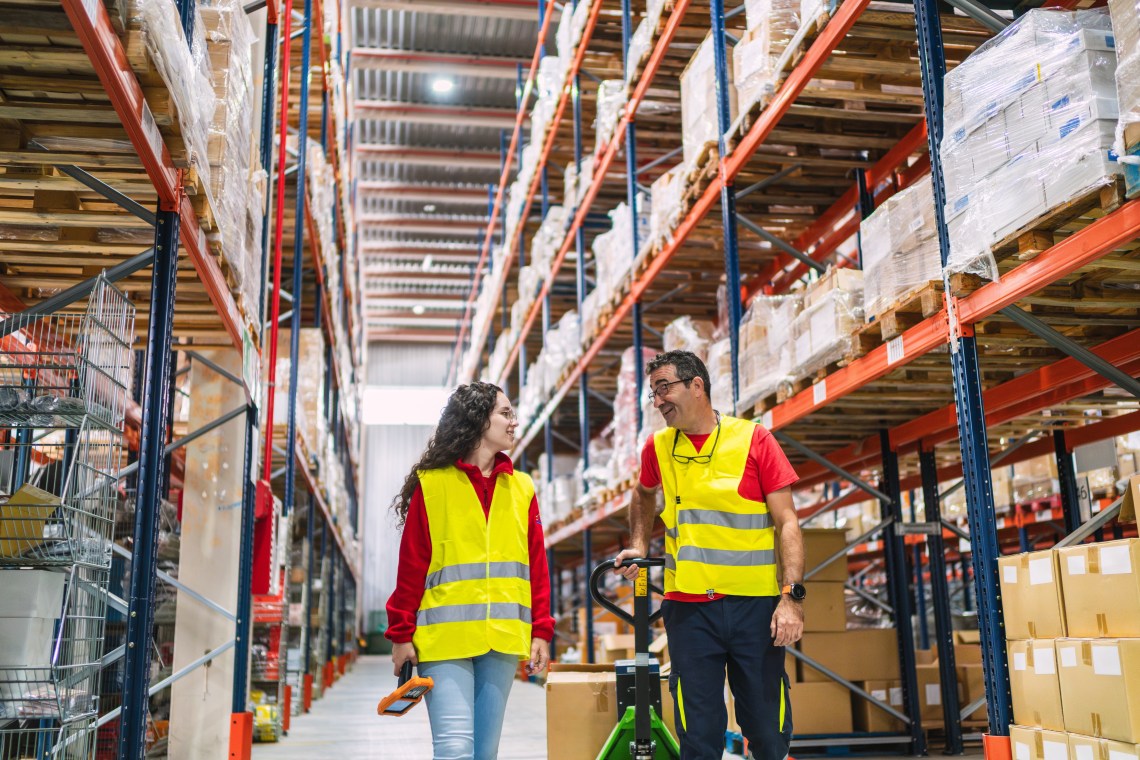

Ecommerce customers want fast, affordable shipping. But meeting those expectations with a global, centralised supply chain is getting harder by the day.
Brands are feeling the squeeze: how can they deliver quickly without runaway costs or reliability problems?
Here’s the good news: you don’t need to localise suppliers or manufacturers to build a “local” supply chain. Many brands unlock local supply chain benefits simply by localising fulfilment and inventory position – in other words, putting products closer to customers (not factories).
This guide breaks down what local supply chains mean for ecommerce brands, weighs the benefits against the tradeoffs, and walks through a practical localisation strategy. You’ll also learn how ShipBob can help you power distributed fulfilment without the overhead of running your own warehouse network.
What local supply chains mean for growing ecommerce brands
Local supply chains store and distribute products closer to the end customer, rather than funneling everything through a single, centralised hub.
Traditionally, this meant local sourcing or manufacturing. For ecommerce brands today, it usually means localising fulfilment: spreading inventory across multiple, strategically placed fulfilment centre locations to shrink delivery times and costs.
Most growing brands still source globally for cost and scale. But instead of building local factories, they localise the final leg (fulfilment and outbound shipping). By analising where customers live and distributing inventory to fulfilment centres close to major customer hubs, you get products to doorsteps faster and more affordably.
EXAMPLE:
Picture a beauty brand that manufactures in South Korea and imports bulk inventory to the US, UK, and Australia. They stock regional fulfilment centres within each country. When an order comes in, it ships from the closest node—cutting transit time and shipping costs in one move.
Benefits and tradeoffs of supply chain localisation
Localising your supply chain can reshape customer experience and strengthen operational resilience, but it also brings new decisions and complexities to the table.
Here are some key benefits of localisation:
- Faster delivery that meets or beats customer expectations
- Shorter average shipping distance, which trims shipping costs
- Stronger customer experience and higher satisfaction
- Less dependence on a single warehouse or region
- More flexibility to absorb demand spikes or disruptions
- Clearer inventory visibility by location, sharpening your planning
Local fulfilment also fuels omnichannel growth. Brands like Arrae use ShipBob to manage both DTC and B2B orders from the same inventory pool. The result: 15% shipping savings and 30 hours per week reclaimed for their two-person supply chain team.
“When we first got started with ShipBob, we placed inventory in Ontario on the East Coast of Canada. Earlier this year, we expanded into Vancouver on the West Coast and tested what it would be like to have 2 fulfilment centres in Canada with ShipBob. Once we went bicoastal, we immediately realised the cost savings. We were saving 10-15% on shipping costs across Canada.”
Jessica Stoller, Director of Supply Chain and Operations at Arrae



That said, local isn’t always cheaper. Adding fulfilment nodes means more inbound shipments and trickier replenishment planning. Without careful management, inventory can fragment across locations.
Here are challenges you might face:
- Thin local expertise or resources in new markets
- Technology gaps between systems or fulfilment partners
- Forecasting shifts required for multi-node inventory
- Extra coordination and communication across locations
Despite these hurdles, most brands find the benefits of local supply chains (especially faster, more reliable shipping) outweigh the operational complexity.
Build a localised fulfilment strategy with multi-node inventory placement
Local supply chains are really about being local to your customer, not your business. The right strategy starts with mapping demand, then choosing the right number of fulfilment nodes and setting smart inventory rules.
Here’s a practical framework to guide execution.
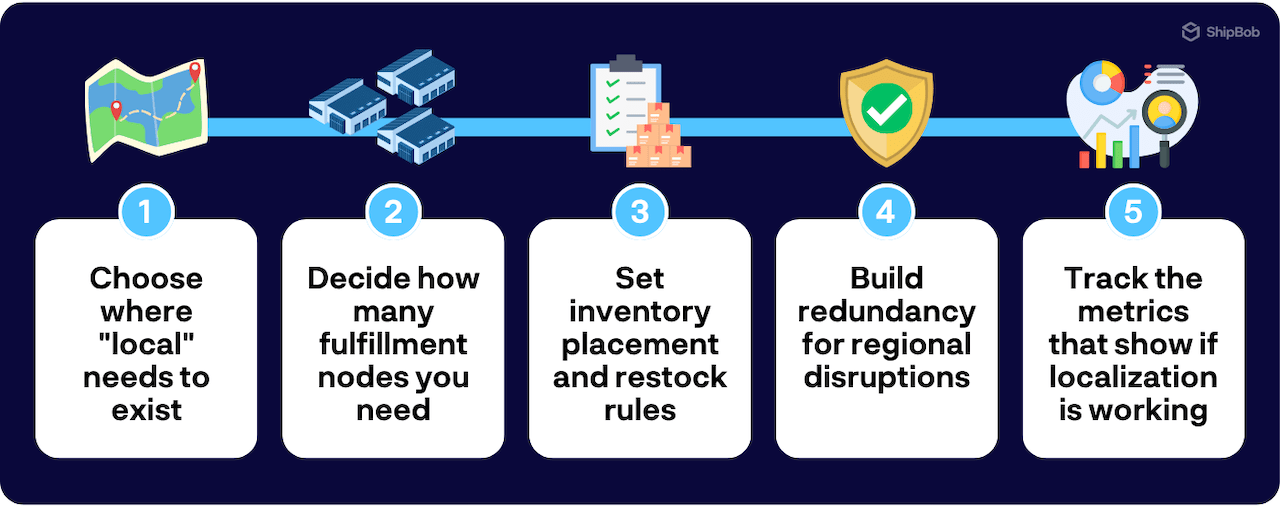
1. Choose where “local” needs to exist
Start by defining what “local” means for your business:
- Pull recent order history and map demand by pinpointing your top metro areas and seasonal clusters.
- Segment customers by value or subscription status to set service targets for VIPs or wholesale accounts.
- Then, pick one or two launch markets for your initial pilot.
For instance, a brand might start with the US and Canada, then expand to the UK, Australia, or Germany as demand grows.
This approach lets you test and refine before scaling further.
2. Decide how many fulfilment nodes you actually need
Getting the node count right matters. Too few and you sacrifice speed; too many and you lock up capital in slow-moving inventory.
Use these decision rules:
2
Two nodes: Works well for brands with demand concentrated in two countries or coasts
3
Three nodes: Fits when demand spreads across three major markets or regions
+
Multi-node: Best for high-volume brands with diverse demand and many SKUs
Distributing inventory across multiple nodes shrinks your average shipping zone, making ground shipping faster and more cost-effective.
3. Set inventory placement and replenishment rules
Smart inventory placement and replenishment rules keep your supply chain lean and responsive. Stock fast-moving SKUs in every location; slower sellers can stay centralised, then set a replenishment cadence that avoids tying up capital in inventory that won’t move.
For promotions or new launches, pre-build inventory buffers in high-demand locations. After the spike passes, rebalance stock to prevent excess in any one node. This keeps inventory agile and supports both DTC and B2B channels.
4. Build redundancy for regional disruptions
Supply chain redundancy means having backup options when trouble strikes. Weather events, infrastructure outages, or other disruptions can knock out a single city or country.
Design supply chain contingency plans by keeping backup inventory in a second location. Set rerouting rules and maintain relationships with alternate couriers.
Using distributed fulfilment this way reduces dependence on any single site, letting you reroute orders and keep service running even during disruptions.
5. Track the metrics that show if localisation is working
Measuring localisation success starts with a baseline. Capture current delivery times and shipping cost per order before making changes.
Monitor these KPIs that matter to leadership:
- Lead time
- Service level/on-time in full (OTIF)
- Fill rate and backorder rate
- Inventory turnover and days on hand
- Cost per order and expedited shipping share
- Cash conversion cycle
Report results as “before vs. after” with a pilot timeline: a simple one-slide readout of metrics and learnings helps leadership see the impact and decide whether to scale.
How ShipBob lets you localise your supply chain – without running your own network
ShipBob helps brands build local supply chains through distributed fulfilment and unified visibility, all without owning or operating local warehouses.
With a global network spanning dozens of fulfilment centres in the US, Canada, Europe, and Australia, ShipBob stores inventory closer to customers for faster, more affordable shipping.
“I totally get why consumers prefer local deliveries: shorter wait times, less expensive shipping, and avoiding surprise tariffs or fees. That’s why it’s so important to have fulfilment centres in areas that I wanted to grow into, so that customers aren’t deterred and can get a fantastic delivery experience no matter where they live. With ShipBob’s global network, we can achieve that.”
Luke Rolls, Founder of The Protein Pancake
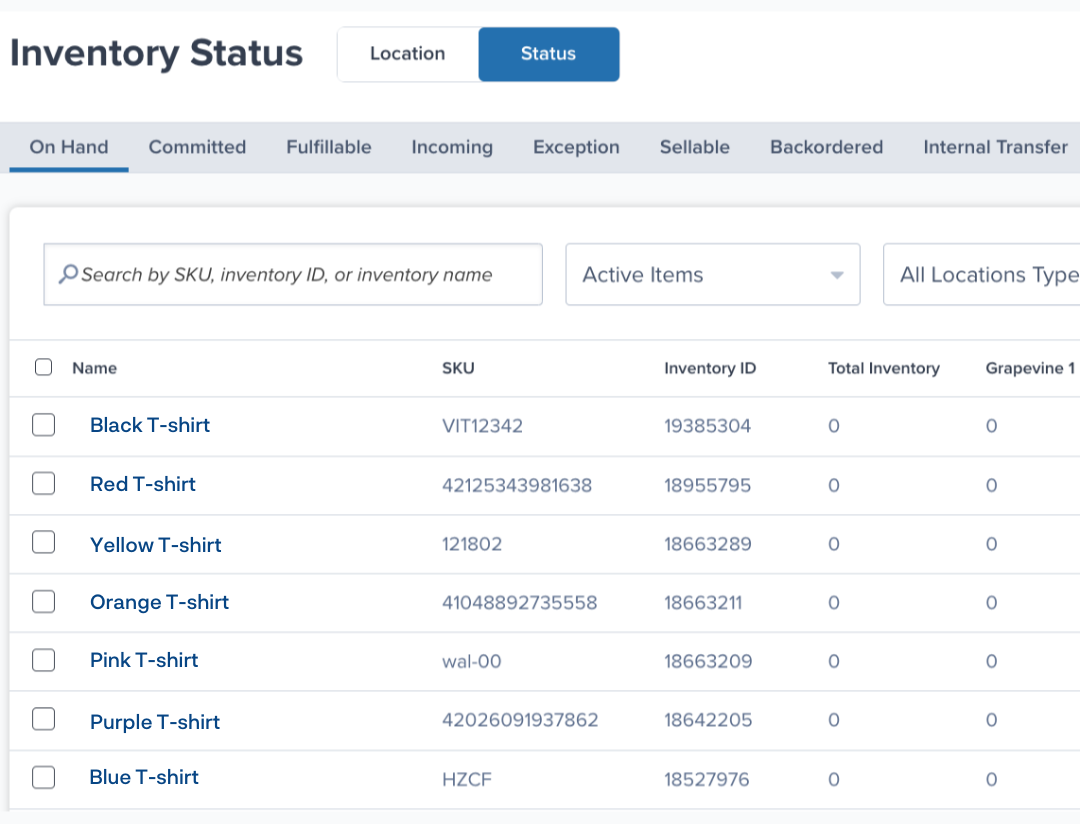
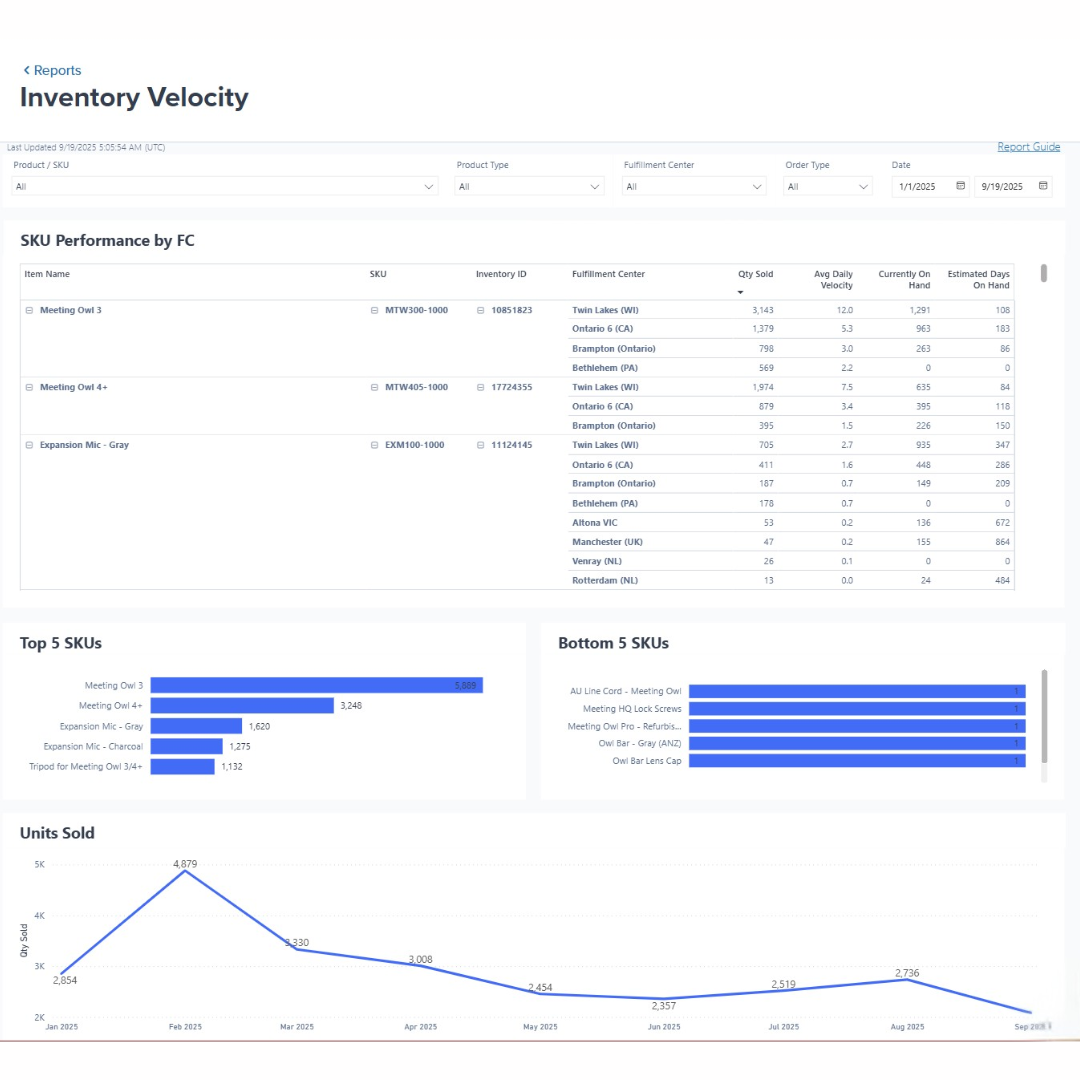
ShipBob’s dashboard also delivers real-time inventory and order visibility across all locations and channels, supporting DTC, B2B, and marketplace fulfilment from a single source of truth.
This unified view means you can manage distributed inventory without juggling multiple systems or losing track of stock levels.
Our Place cut fulfilment and shipping times in half and saved $1.5M in freight costs by tapping into ShipBob’s distributed network.
“Currently, only 2% of our parcels are reaching Zone 7 or Zone 8 collectively, indicating that 98% of our parcels are reaching Zones 1 through 6. By shipping locally to lower zones, we’re achieving the most significant reductions in outbound costs.”
Ali Shahid, COO of Our Place

Semaine Health reduced average shipping times by up to 33% and lowered fulfilment costs by over $2 per order.

“Most of our standard orders are delivered in two days! It’s been incredible watching our shipping times get shorter and shorter just using standard delivery, simply because we expanded to more fulfilment centres through ShipBob.”
Matt Crane, Co-Founder and Chief Science Officer at Semaine Health
ShipBob’s solution lets you scale locally and globally, supporting omnichannel growth and helping you deliver a better customer experience without the complexity of running your own warehouse network.
Ready to see what localised fulfilment could mean for your brand? Click the button below to get in touch and explore how ShipBob’s distributed network can reduce your shipping costs and delivery times.
Local supply chain FAQs
Here are answers to some of the most common questions about local supply chains.
What is a local supply chain?

A local supply chain sources, stores, and distributes products closer to the end customer, rather than funneling everything through a single, centralised hub.
For ecommerce brands, this usually means localising fulfilment and inventory placement, not necessarily sourcing or manufacturing locally.
Do brands need to overhaul their entire supply chain to localise fulfilment?
No. Most brands localise incrementally by distributing inventory in one or two high-demand regions first, then expanding based on performance. Localising fulfilment is typically a phased approach (not a full supply chain redesign) which helps brands reduce risk while validating impact on delivery speed and costs.
Does localising fulfilment always reduce supply chain risk?
Localising fulfilment can reduce risk by spreading inventory across multiple locations, making it easier to adapt when disruptions hit one area.
It also introduces new complexities, like coordinating replenishment and managing inventory across nodes.
Which KPIs best prove ROI for supply chain localisation?
Key KPIs include delivery speed, shipping cost per order, inventory turnover, service level/on-time in full (OTIF), fill rate, and cash conversion cycle. Comparing these metrics before and after localisation reveals the true impact.
How do you pilot localised fulfilment without overhauling supply chain operations?
Start by piloting in one or two key markets with the highest demand. Use a fulfilment partner like ShipBob to test distributed inventory and measure results before expanding to additional locations.
Who typically executes a localised supply chain strategy?
Execution is usually shared. Brands define where they want to be closer to customers and what success looks like, while fulfilment partners handle inventory placement, order routing, and day-to-day execution across distributed locations. Clear ownership boundaries make localisation scalable without adding internal complexity.
Can ShipBob support global expansion for localised fulfilment?
Yes. ShipBob’s network includes fulfilment centres in the US, UK, Europe, Canada, and Australia. Brands can store inventory in these countries to offer local fulfilment and shipping, supporting international growth without added complexity.


