
For an ecommerce business, there’s no closer touchpoint with your customer than the moment a package arrives and gets opened. Custom packaging turns that moment into something your buyer remembers and builds a stronger connection with your brand.
As an operational system, custom packaging should scale with your brand and apply to every order, without leading to mistakes or inefficiencies.
Small businesses have plenty of ways to use custom packaging to stand out, from eco-friendly options to fully branded unboxing experiences.
Below are the ideas, the costs, and the steps to put them into production – and how ShipBob can help you execute the unboxing you want.
10 standout small business packaging ideas
There are many ways for small businesses to customise packaging and create a premium first impression. Remember: the ideas below are a menu of what’s possible, not a set of limits.
For example, ShipBob’s Customisation Suite supports custom boxes, mailers, inserts, gift notes, and kitting out of the box. Specialty items like custom tape can be shipped to any ShipBob fulfilment centre and applied at pack.
Here are the most popular ideas to inspire your brand’s design.
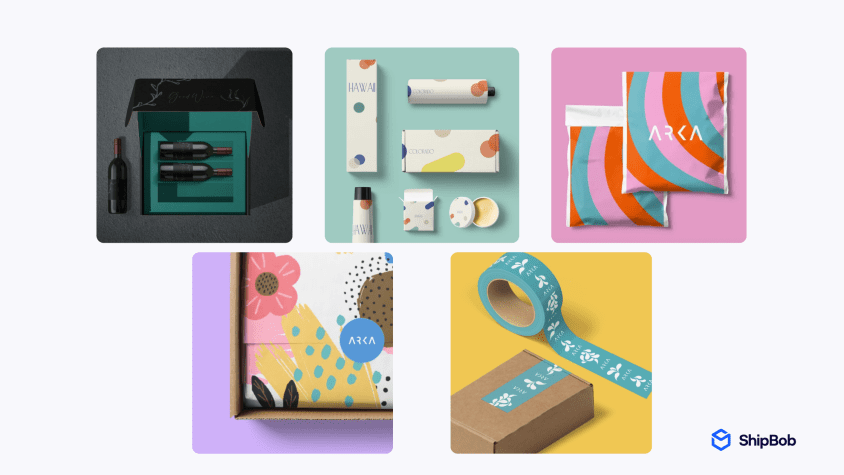
1. Corrugated boxes
Corrugated boxes are the most common shipping boxes. Also called RSC boxes (regular slotted container), they’re a strong 32ECT kraft corrugated with a rugged look and feel.
Corrugated boxes offer several practical advantages:
- Simple to construct and easily collapsible
- Economical board usage with very little manufacturing waste
- A uniform finish across every package
- Flexible sizing based on the length of the flaps used
With ShipBob, each custom corrugated box is stored as its own SKU across fulfilment centres, and pack rules auto-assign it to the right orders.
Every box matches the product inside, even as your volume climbs.
2. Paperboard boxes
Paperboard boxes are made from a sturdy yet lightweight sheet of paper, produced from recycled wastepaper or wood fiber. Because they’re lighter than corrugated, they’re a versatile option for printing and detailed graphic work.
These sheets fold and cut into custom shapes and dimensions with ease, making them one of the most customisable options for a small business. They’re a natural fit for subscription boxes.
ShipBob’s kitting can pre-pack product-and-box combinations before they ever reach the pick line.
3. Rigid boxes
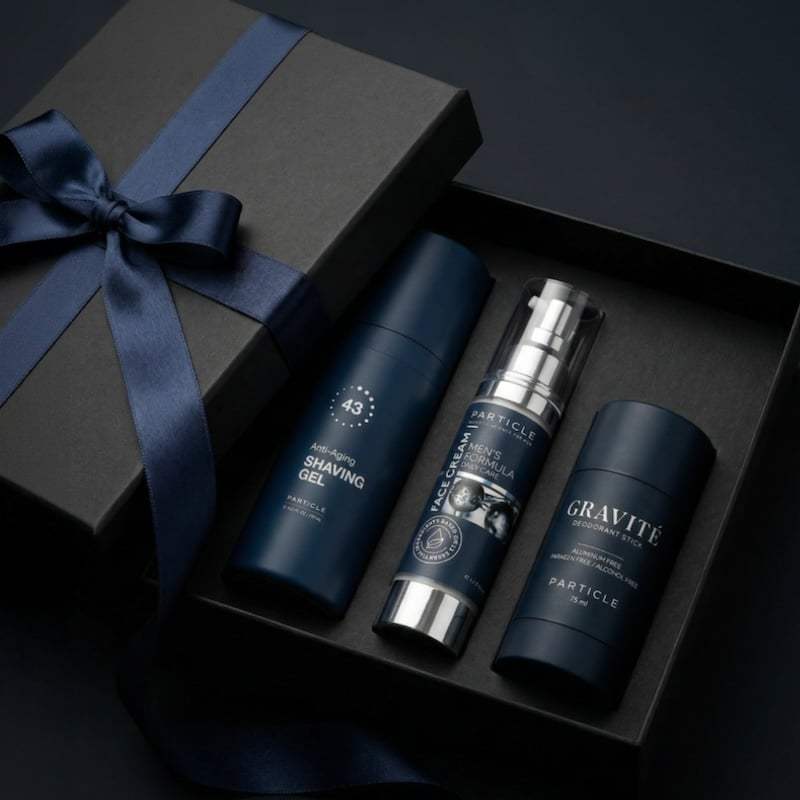
Rigid boxes offer a premium solution for luxury products. They’re sturdy, protect contents well, and create the kind of unboxing experience that lifts how customers perceive your brand.
Rigid boxes work best for high-AOV products where the unboxing justifies the higher per-unit cost.
ShipBob’s box selection algorithm won’t override a rigid-box assignment, so you keep full control over exactly when premium packaging gets used.
4. Plastic mailers and poly bags
Custom poly mailers and poly bags are lightweight, sealed formats. When made from recycled or bio-based polyethylene, they cut carbon emissions and lower environmental impact, so the eco claim only holds for those materials, not standard plastic.
Their smooth exterior makes labelling easy. They’re also tear, tamper, and water resistant, which suits non-fragile goods like apparel. Foil-sealed bags fall into the same sealed, lightweight category and work well for food items that need an air-tight seal.
To avoid oversize courier surcharges, ShipBob caps custom mailers at 18 in. by 14 in. You can print your logo and design across the full surface.
5. Paper mailers
Paper mailers give small businesses a lightweight, eco-friendly way to ship flat or soft goods. They carry sharp, digitally printed colour, so you can match your brand’s aesthetic closely. They’re also a favorite among apparel brands.
They’re one of the most cost-effective ways to deliver a branded experience for smaller items.
Ship your custom paper mailers to any ShipBob location and they’ll be applied through Customisation Suite rules.
6. Custom tapes and stickers
Custom tapes and stickers are an easy, low-cost way to make packages pop. Print your logo and brand colours, then use them with regular boxes and mailers for an extra bit of detail.
On the fulfilment side, apply branded tape before sending your shipping materials to ShipBob. If you’d rather add branding at pack, custom stickers applied at packing create a similar branded seal.
7. Custom tissue paper
Custom tissue paper is one of the fastest ways to elevate a plain box. Printed with your logos and brand colours, it wraps items neatly while keeping your branding front and centre.
It’s a low-cost, high-impact insert that ships discreetly and fits tight budgets. Since it can be written into your kitting instructions, every order gets the same wrapped presentation.
8. Dunnage and protective packaging
Dunnage packaging adds cushioning and protection so products don’t shift or bend in transit. Options include honeycomb kraft paper and recycled padded mailers, many of them compostable and curbside recyclable.
ShipBob standardizes on Geami paper and kraft paper for protective dunnage across its network, instead of plastic bubble wrap or packing peanuts. That keeps your protective layer paper-based without you sourcing it yourself.
9. Custom labels
Custom labels are the lowest-cost branded entry point for a small business. There’s no minimum order or full print run to commit to, so you can start branding immediately.
Apply them to plain boxes or mailers for an instant lift in presentation.
In the ShipBob dashboard, labels are managed as an insert or accessory SKU, so the right one lands on the right order automatically.
10. Thank-you cards and branded inserts
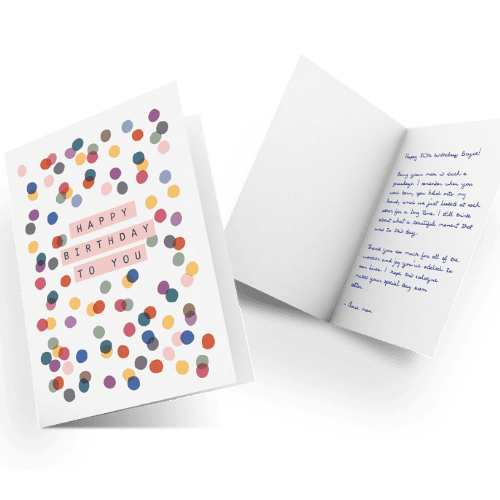
A thank-you card is a small-business tactic that pays off well beyond its cost. A short, handwritten-style note printed on branded stock makes an order feel personal and encourages a repeat purchase.
ShipBob’s on-demand marketing inserts can be updated centrally, so you swap in a new offer or message without pre-printing or storing excess collateral. This bridges directly into how inserts scale, which the next section covers in full.
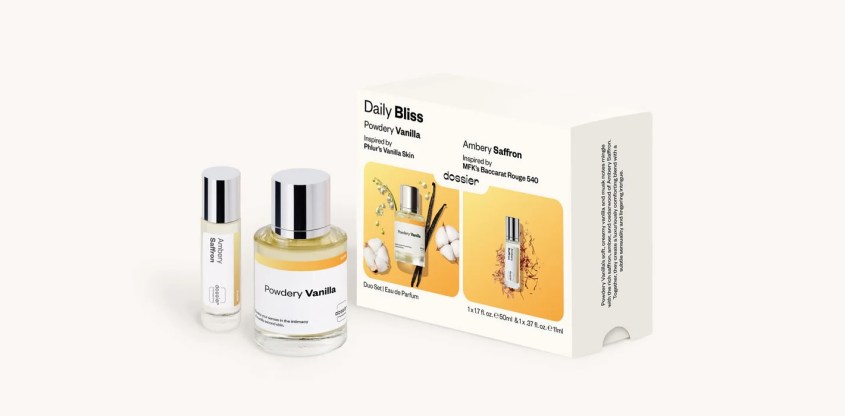
Why small businesses should create custom packaging
While custom packaging is often underestimated, it earns its keep in a competitive ecommerce market. Here are four reasons to start using custom boxes and packaging.
Build brand recognition and perceived value
A crowded marketplace makes it hard for any single brand to register, so distinctive packaging helps cut through that noise. People process information visually, so an attractive package both attracts attention and holds it.
Premium packaging also raises how upscale a product feels, which lifts perceived value on arrival.
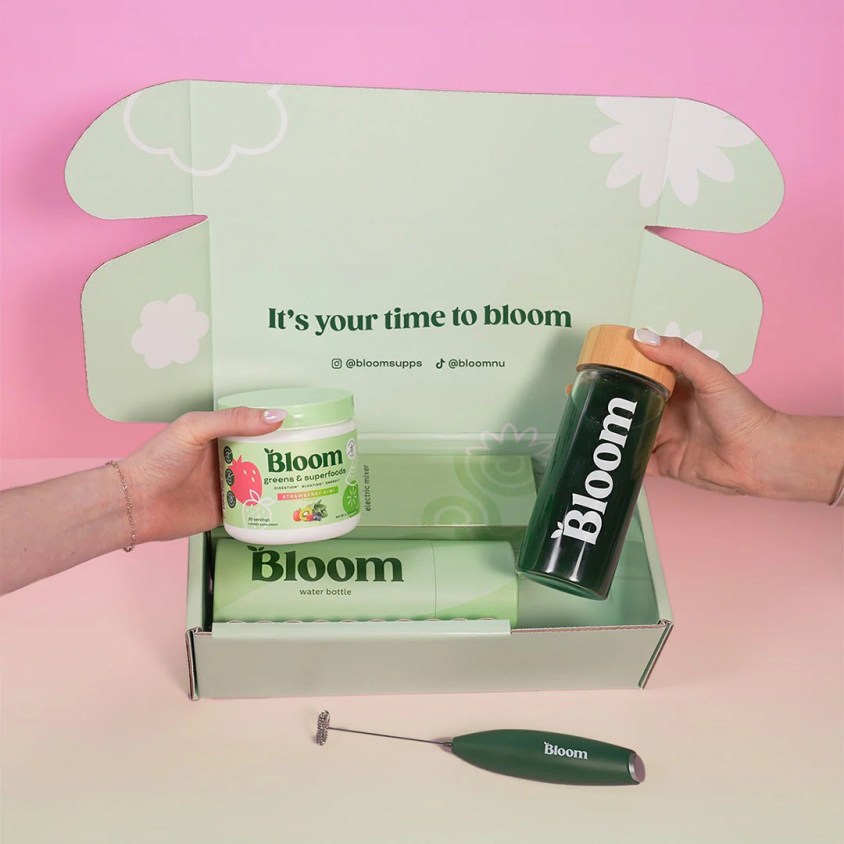
“When we first started out, our packaging process was really simple – we just picked the product, stuck it in a brown box, and shipped it. Because ShipBob can support custom packaging, we’ve leveled up our strategy to include Bloom-branded boxes, marketing inserts, and the ability for customers to add personalised gift notes to their orders. The level of customisation that ShipBob supports helps us reinforce our image as a premium-quality product, and lets us curate a branded experience at scale for customers as soon as their package arrives on their doorstep.”
Neil Blewitt, SVP of Operations at Bloom Nutrition
Protect your products and reduce damage
Custom packaging can be tailored to the specific needs of your product while staying true to your brand. A container built around your item’s shape keeps it secure from the warehouse to the doorstep.
ShipBob’s box selection algorithm chooses the most cost-effective packaging for each order automatically. That minimises DIM weight and material waste while still keeping products snug in transit.
Drive social sharing and repeat purchases
Custom packaging gives customers a reason to post. Instagram is full of unboxing photos. A well-designed package makes shoppers more excited to share, which spreads your brand and often brings them back for another purchase.
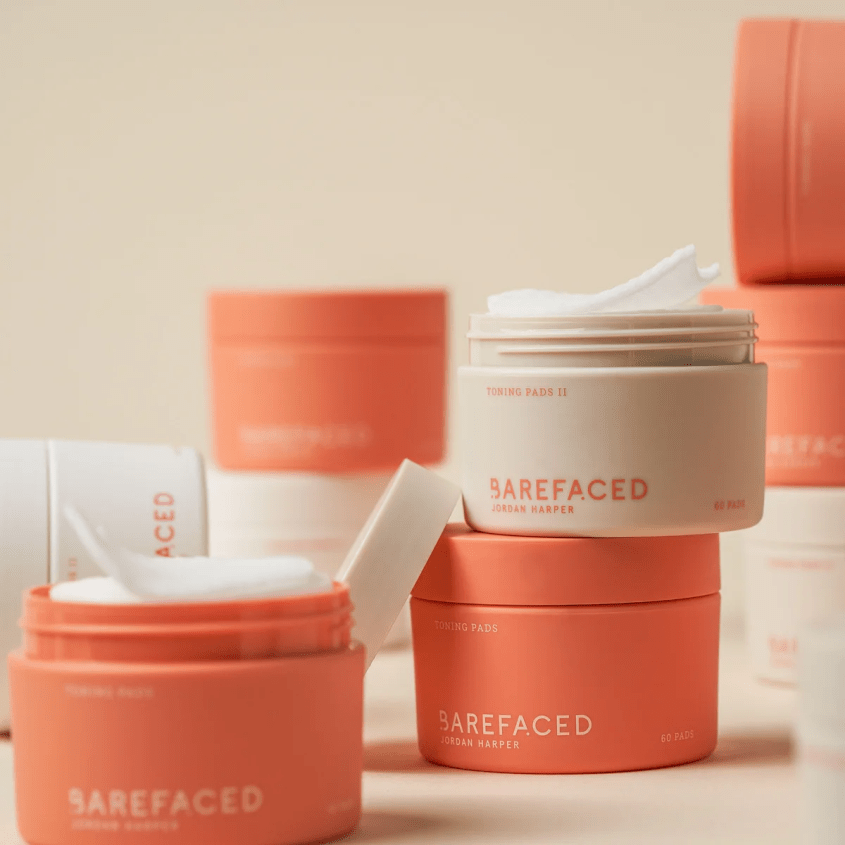
“We’ve been able to use ShipBob’s Customisation Suite to create a great initial impression. ShipBob has helped us along the way as we’ve added customised packaging and kitting for our orders. We sent ShipBob a lot of videos about how we want things to look and they’ve done a great job executing our vision.
Customers have been tagging us in their unboxing photos on Instagram which has been great. We’re just getting started and we’re excited to see all of the ways ShipBob can help us improve our unboxing experience.”
Callie Tivnan, E-commerce Manager, and Christina Williams, Customer Success Manager at Barefaced
Support sustainability goals
Eco-conscious are willing to pay a little more, or a lot more, for sustainable packaging. You can build a strategy around recyclable, compostable, and minimalist materials that you customise as well.
ShipBob’s standard dunnage is paper-based, using Geami and kraft paper rather than plastic fill.
🔖 Custom packaging inserts: what to include and how to scale them
Packaging inserts are the small printed extras that turn a shipment into an experience. They also give you a low-cost channel to promote, thank, and re-engage customers with every order.
Common inserts include:
- Thank-you cards and handwritten-style notes
- Promo flyers and discount codes
- Product care or usage instructions
- Gift notes and product samples
Inserts are inexpensive, typically running $0.05 to $0.50 per unit depending on material and print quality. That low cost is what makes them worth testing across your order mix.
Through ShipBob, you configure insert rules at the SKU level. You might add a thank-you card on first-time orders, a promo flyer on orders over $50, or a gift note whenever gift wrapping is selected at checkout.
On-demand inserts update centrally, so you refresh a campaign without a large pre-print run or storing extra stock. SKU-level pack rules then put the right insert in the right box across every fulfilment centre, with no manual stuffing.
💸 How much does custom packaging typically cost?
Custom packaging can be a smart investment, but it also gets expensive fast if you’re trying to trim costs. Prices generally range from $0.10 to $10.00 per box, depending on material, size, design, ink coverage, and add-ons.
The per-box price drops as quantity rises, so ordering in bulk saves money. Some suppliers, including Arka, accept minimum orders as small as 10 boxes, which keeps the entry point low for smaller brands.
A budget-smart path is to prioritize by cost. Here’s a simple order of operations:
- Start with custom stickers or labels on standard boxes (lowest cost, no MOQ hurdles).
- Add custom tissue paper or branded tape as volume grows.
- Graduate to custom mailers or fully printed boxes once order volume justifies the spend.
Before committing to a full run, request samples, which usually cost $10 to $30. Typical digital-print turnaround runs about two to three weeks, so factor that into your launch timeline.
🗺️ Custom packaging for marketplace and multi-region orders
Marketplaces like Amazon apply strict packaging rules for FBA inventory, while merchant-fulfilled orders let you add full branding.
ShipBob’s Rules Engine assigns different configurations per channel automatically: You can send branded boxes and inserts to DTC customers while shipping compliant plain shippers for marketplace orders, all from the same inventory pool.
Multi-country selling works the same way. Ship your custom materials to any fulfilment location and track them through WROs. ShipBob’s six-country footprint spans the US, Canada, the UK, the Netherlands, Spain, and Australia. That keeps your branded experience consistent wherever the order ships from.
How to choose the right custom packaging
It’s easy to get caught up in aesthetics, but the right choice also depends on your audience, your product’s size and shape, and how it holds up in transit. The three steps below walk you through matching packaging to your product, vetting suppliers, and setting up rules that scale.
🤝 Match packaging to your product and customer
Focus on who you’re selling to when picking colours, imagery, and format. Then decide whether you need shipping packaging, product packaging, or both. A fragile candle needs a different setup than a folded tee in a mailer.
✅ Evaluate suppliers on MOQ, lead time, and sample quality
Compare at least two suppliers before you commit. Look at minimum order quantities, sample quality, print consistency, and reorder lead time. A supplier that’s cheap but slow can stall your restocks. Arka’s MOQs start at 10, which suits smaller runs.
Confirm external dimensions with the vendor upfront. Verifying those numbers early prevents DIM-weight surprises that inflate your shipping cost.
🎁 Set up packaging rules that scale
This is where custom packaging becomes a system. Configure SKU-level pack rules so the right box, mailer, insert, and dunnage get assigned to every order automatically.
Each custom packaging type is tracked as its own SKU through warehouse receiving orders (WROs). If a packaging SKU runs low, affected orders move to Exception status and can ship with standard packaging until you replenish. This kind of automation earns its value most once you’re past a few hundred orders a month.
“There are less exciting but very practical parts of customisation that ShipBob also helps with. As a home fragrance brand, many of our products are made of glass and the vessels are breakable and heavy. That makes shipping and logistics a bit more complicated than throwing a product in a polybag and sending it out.
Through ShipBob’s technology, we’re able to customise how we want them to pack and ship our candles versus our incense versus an order that has both. Setting up these parameters lets them automate packaging selection and helps us consistently deliver candles that are undamaged according to our standards.”
Lizzie Vance, Sales Director at P.F. Candle Co.
Custom packaging with ShipBob and Arka
In a crowded ecommerce market, memorable packaging can be the detail that sets your business apart. It helps to work with a fulfilment partner that can execute your custom packaging at scale.
ShipBob’s Customisation Suite offers execution, with the capabilities to support:
- Branded boxes and poly mailers
- Kitting services, including building a branded box, placing multiple SKUs in a kit, and adding stickers, labels, and barcodes
- Standard and fully customisable marketing inserts, printed on demand
- Premium gift notes customers can add to their orders
- A proprietary Rules Engine that automates the selection and addition of custom packaging elements
Behind that, ShipBob’s box selection algorithm packs every order in the most cost-effective packaging available while preserving your branded experience.
“We really focus on the unboxing and post-purchase experience, so ShipBob’s robust customisation capabilities make it so easy for us to add special touches like marketing inserts to an order.
We were just recently running a bunch of different inserts and were able to handle the majority of that on our end via ShipBob’s tagging rules. All I have to do is go into ShipBob’s Rules Engine, and create a rule that says, ‘If an order has this tag, add an insert.’ I’ve never seen that before where our fulfilment partner can operate similar to how we run marketing email campaigns with tags and rules.”
Rachel Tannenholz, President, and Melissa Mosheim, Director of Logistics at Aroma360
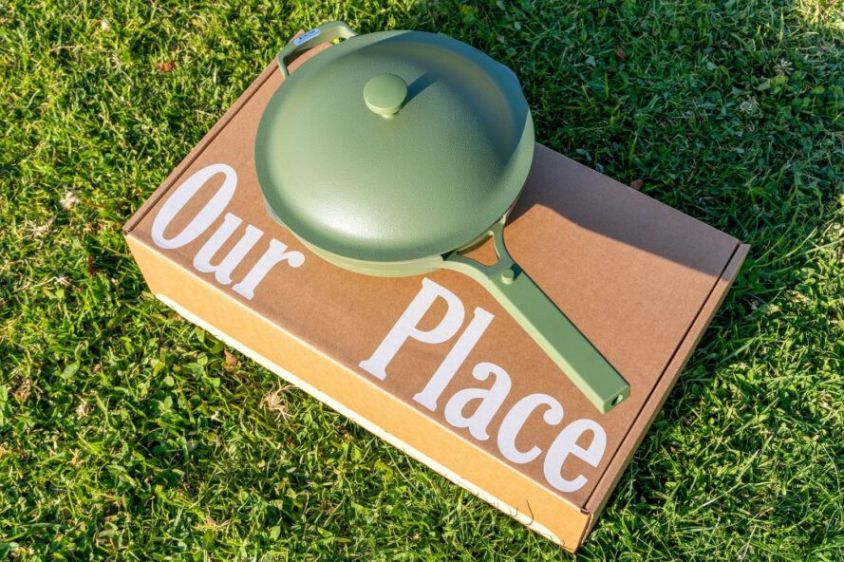
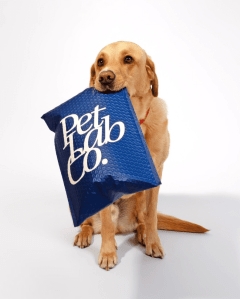
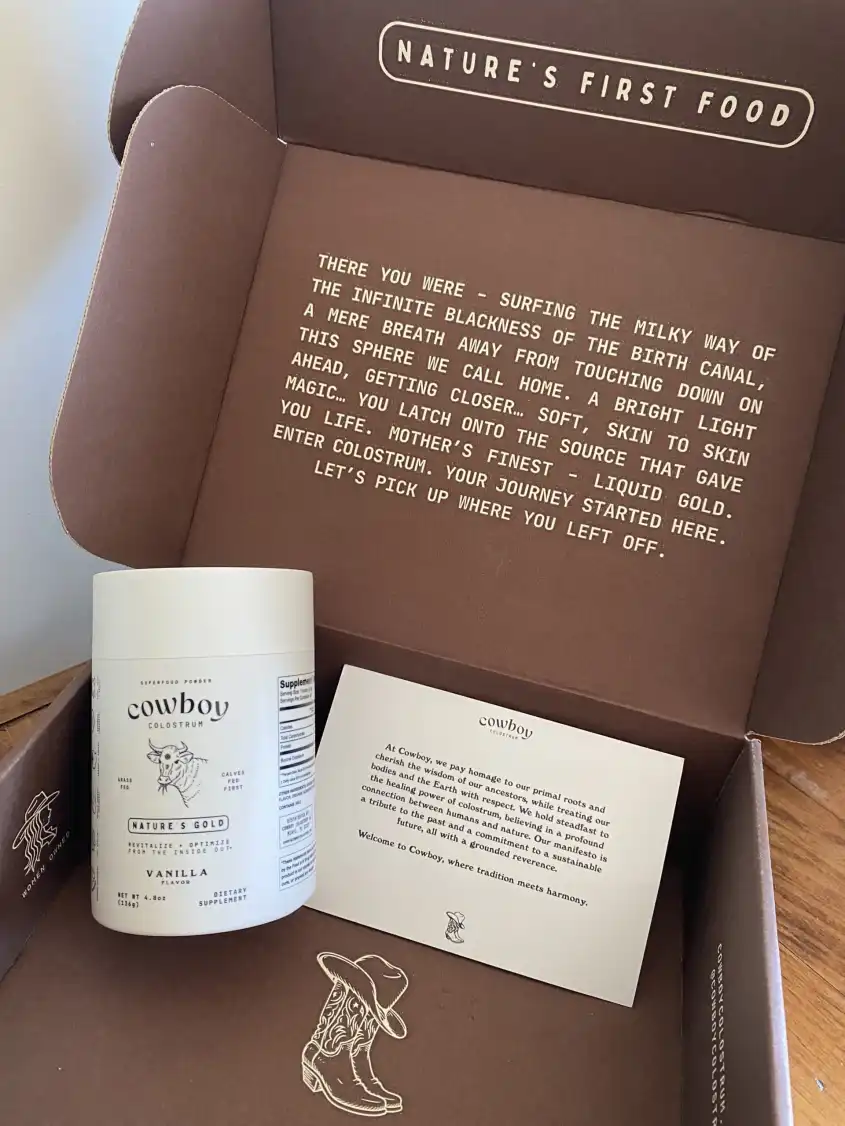
To give merchants a wide range of packaging options, ShipBob also partners with Arka, a one-stop shop for ecommerce packaging at competitive prices. Merchants can use an advanced design tool to mock up product packaging in minutes. Arka’s designers guide you through the proof and production process. Arka handles runs as small as 10 boxes and as large as 5,000.
As an ecommerce fulfilment expert, ShipBob connects your creative packaging ideas to consistent, day-to-day execution. Click the button below to see how ShipBob can fulfil your brand’s needs.
Small business custom packaging FAQs
Below are answers to the most common questions about small business packaging ideas and custom packaging.
What materials can be used to build custom packages?

Common materials include corrugated cardboard for custom shippers, mailers, and inserts, plus paperboard and rigid board for product-facing boxes. Recycled or bio-based polyethylene works for poly mailers, while paper mailers, kraft paper, and foil-lined bags round out the options.
A finished custom package usually pairs the right box size with your logo, brand colours, and a short brand message. Accents like custom tissue paper, stickers, and tape add personality on top.
What are the benefits of custom packaging design?
Custom packaging design creates a strong first impression and improves brand recall, so customers remember and reconnect with you. It also raises perceived value and lets you ship products in right-sized packaging that protects the item while controlling shipping cost.
How can I use custom packaging with a fulfilment provider like ShipBob?
You supply your branded boxes, mailers, and inserts, and ShipBob stores each as its own SKU. From there, SKU-level pack rules and the Rules Engine apply the right packaging to each order automatically across fulfilment centres.
What are custom packaging inserts?
Inserts are printed extras added to an order, such as thank-you cards, promo flyers, discount codes, care instructions, and gift notes. They typically cost $0.05 to $0.50 per unit and can be printed on demand, so you refresh campaigns without holding excess stock.


